Life as a commercial airline pilot is a unique blend of excitement and responsibility, where every day presents new challenges and experiences. You will navigate the intricate world of aviation, balancing safety protocols, crew communication, and passenger satisfaction. This post will walk you through what to expect in a typical day, from your pre-flight preparations to your post-flight debriefings, offering insights into the skills and dedication required to soar through the skies.
The Role of a Commercial Airline Pilot
A commercial airline pilot holds an crucial position within the aviation industry, responsible for the safe and efficient operation of flights while ensuring the comfort of passengers. You will navigate various air traffic conditions, work collaboratively with a crew, and communicate with air traffic control to ensure a smooth journey from departure to arrival.
Overview of Responsibilities
Along with piloting the aircraft, you will conduct pre-flight checks, monitor systems during flight, and respond to any unexpected situations. Your primary focus is always on safety, making it your responsibility to adhere to regulations and company protocols.
Required Qualifications and Training
Qualifications required to become a commercial airline pilot include obtaining a private pilot license, accumulating flight hours, and completing an airline transport pilot license. You also need to pass various medical exams and training programs tailored to the specific aircraft you will operate.
Due to the complexity and responsibility of flying commercial airlines, pursuing extensive training is vital. You’ll engage in simulator training, classroom learning, and flight hours under the supervision of experienced instructors, ensuring you are well-prepared for the demands of this position. The journey can take several years, as you build the necessary skills and experience.
Types of Airlines and Aircraft
To navigate the diverse aviation landscape, you can work for different types of airlines, each utilizing various aircraft suited for specific routes and customer needs. Options include major airlines, regional carriers, and charter companies.
| Type of Airline | Typical Aircraft |
| Major Airlines | Boeing 777, Airbus A320 |
| Regional Carriers | Cessna 208, Bombardier Dash 8 |
| Low-Cost Airlines | Airbus A321, Boeing 737 |
| Charter Services | Gulfstream G650, Pilatus PC-12 |
- Assume that you receive specialized training for each aircraft type you operate, making adaptability a key skill.
But it’s not merely the aircraft you fly that sets the stage; the type of airline can significantly influence your daily operations and work environment. Each airline brings unique challenges and experiences to your role as a pilot.
| Airline Culture | Job Flexibility |
| Major Airlines | Less flexibility, longer schedules |
| Regional Carriers | More flexibility, shorter routes |
| Low-Cost Airlines | Dynamic schedules, varied destinations |
| Charter Services | Highly flexible, personalized service |
- Assume that your preference in airline type will shape your career trajectory and personal lifestyle as a pilot.
Pre-Flight Preparation
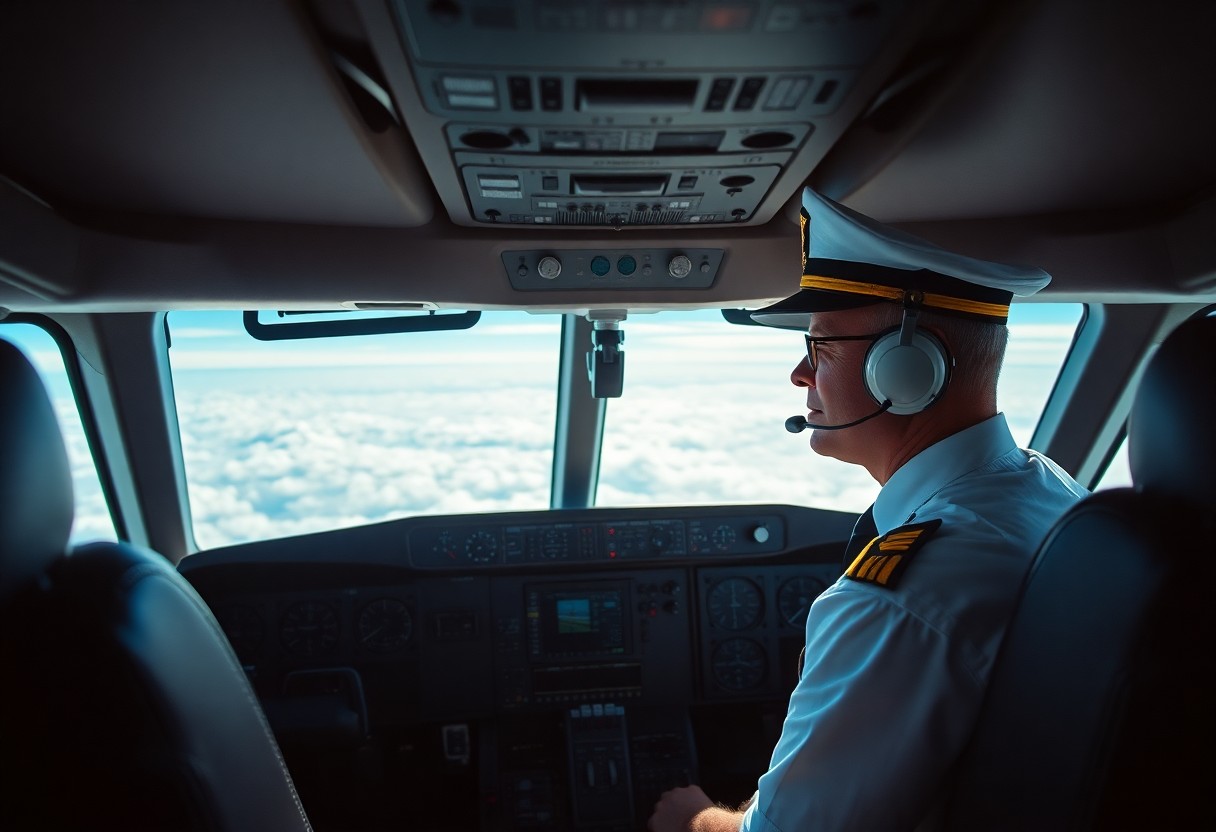
You begin your day with a series of vital steps that set the tone for a successful flight. Pre-flight preparation is vital for ensuring both safety and efficiency. This process consists of reviewing weather conditions, conducting thorough inspections, and briefing with your crew.
Reviewing Weather and Flight Plans
Around the time you arrive at the airport, you start reviewing the latest weather updates and specific flight plans. This helps you understand any potential challenges during the flight, such as turbulence, low visibility, or storms. By analyzing this information, you can make informed decisions about routing and adjustments needed for a smooth journey.
Conducting Pre-Flight Inspections
Above the flight deck, you conduct comprehensive pre-flight inspections. This includes checking instrumentation, systems, and safety equipment to ensure everything functions correctly. As a pilot, you rely heavily on these inspections, as they provide peace of mind and ensure that the aircraft is ready for takeoff.
This routine inspection involves a detailed walk-around of the aircraft, where you visually assess the exterior for any signs of damage or wear. You also verify fuel levels, inspect control surfaces, and check that all emergency equipment is in place. These meticulous checks are fundamental to your responsibilities as a pilot and play a significant role in overall flight safety.
Briefing with the Crew
Pre-flight, you gather with your crew for a comprehensive briefing. This is the moment to share insights regarding flight specifics, roles, and any relevant information that could impact the flight. Strong communication during this phase promotes teamwork and enhances overall safety.
The briefing typically covers important topics such as the flight route, any notable weather conditions, and emergency procedures. You also discuss your respective roles during the flight and clarify expectations. This collaborative effort fosters a unified approach among the flight crew, ensuring everyone is on the same page and ready for the day’s journey ahead.
The Departure Phase
Keep in mind that the departure phase is a vital part of your day as a commercial airline pilot, setting the tone for the entire flight.
Boarding Procedures
Along with your crew, you oversee the boarding process to ensure that passengers are safely seated and that their carry-on luggage is securely stowed. You take this time to conduct a final cabin check and ensure that everyone has complied with safety regulations.
Communicating with Ground Control
After boarding is complete and all pre-flight checks are finished, you establish communication with ground control to receive your clearance for pushback and taxiing. This involves confirming your flight plan and ensuring that your aircraft is ready for departure.
Consequently, this exchange of information with ground control is critical for ensuring safety on the tarmac. You will listen carefully to instructions and confirm your understanding, as clear communication prevents misunderstandings and helps maintain efficient operations at busy airports.
Engine Start-Up and Taxiing
Among the final preparations, you initiate the engine start-up sequence, which involves carefully monitoring all systems for proper functionality. Once the engines are running smoothly, you receive approval to taxi to the designated runway.
A smooth taxiing process relies on your ability to navigate the aircraft while staying in constant communication with ground control. You manage speed and direction while following assigned taxi routes, ensuring that you are aware of any other aircraft movements. Your attentive approach allows for a seamless transition from ground operations to the active runway, ensuring that you are prepared for takeoff.
In-Flight Operations
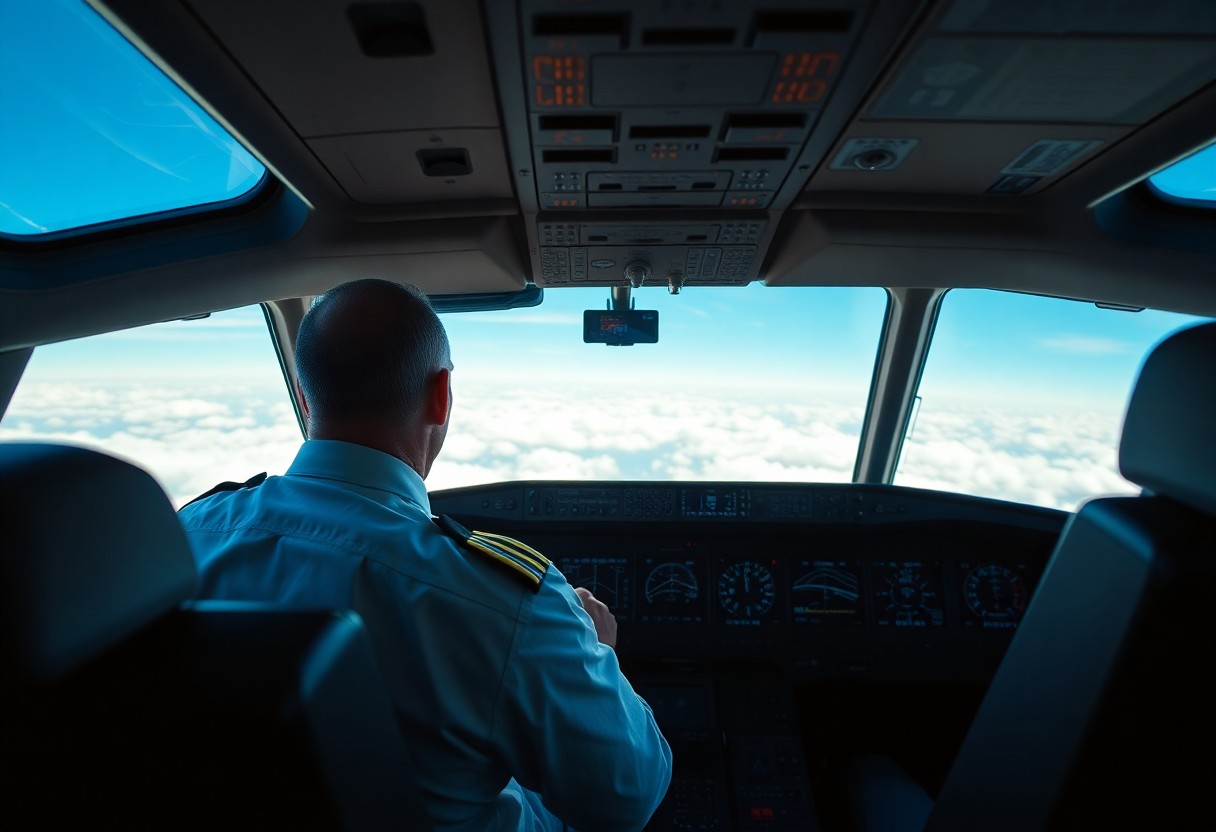
Many people wonder what does a typical airline pilots daily work day look like? and how diverse it can be during in-flight operations. As a pilot, your role shifts to executing procedures carefully crafted to ensure both safety and efficiency during the flight. This includes everything from takeoff to communication with air traffic control.
Takeoff Procedures
Below are the carefully orchestrated steps you take during takeoff, which include a pre-takeoff checklist, engine checks, and verifying the aircraft’s readiness. This phase requires your complete focus and coordination with your co-pilot to ensure a smooth transition from ground to air.
Navigating Through Different Airspaces
With various airspace classifications, you must be attentive to changes in altitude and communication requirements. This diversity means being adaptable, as each airspace brings its own set of rules and expectations you need to follow.
The ability to navigate smoothly through controlled and uncontrolled airspaces is vital. As you transition through different altitudes, you must stay updated on any adjusting routes to ensure safety and compliance. Your knowledge of airspace classification plays a significant role in determining how you interact with air traffic control and manage the flight path.
Managing In-Flight Systems and Equipment
Systems onboard the aircraft require your continuous monitoring. This includes keeping track of systems like navigation, autopilot, and fuel management to ensure optimal performance throughout the flight.
Procedures for managing in-flight systems involve regular checks and maintenance of the aircraft’s instruments. You must be prepared to respond to any malfunctions swiftly, ensuring the aircraft remains within safe operating limits while keeping your crew informed and ready to assist.
Communication with Air Traffic Control
Around the clock, your communication with air traffic control is key for safe navigation. Regular updates are necessary for altitude changes, weather updates, and any air traffic advisories that may impact your flight path.
Through consistent and clear communication, you keep your co-pilot informed and engaged while also ensuring that air traffic control is aware of your flight’s positioning. This rapport is necessary for avoiding potential conflicts and maintaining the safety of all aircraft in the vicinity, especially during busy air traffic times.
The Approach and Landing
Not every moment in flight is filled with excitement; the approach and landing phases require precision and focus. As you prepare to conclude a successful flight, understanding your tasks during this critical time is imperative for ensuring safety and comfort for yourself and your passengers.
Preparing for Descent
Between cruising and descending, you initiate a systematic process to reduce altitude. You’ll review weather conditions at your destination, communicate with air traffic control, and adjust your flight path accordingly. Your aircraft’s descent rate needs to be calculated, ensuring a smooth transition as you prepare for your approach.
Approach Procedures
Approach procedures involve a series of protocols designed for safely guiding your aircraft toward the landing runway. You will engage navigation systems to align with the designated approach path. This often includes adjusting flaps and speed while consistently monitoring your altitude and pitch, all while coordinating with air traffic control.
At this stage, you must maintain situational awareness, as various environmental factors could affect your flight path. You will be cleared for your approach and might receive instructions for altitude adjustments or speed changes. Executing standard approach procedures will help ensure a smooth descent while you keep an eye on nearby traffic and potential obstacles.
Landing Techniques and Protocols
Landing is where your skills truly shine. You’ll manage your descent with focused calculations and control inputs, ensuring that your approach aligns with the runway’s threshold. Timing and coordination between throttle and elevator controls are key to a smooth touchdown.
Approach your landing with a firm understanding of the techniques involved. You’ll want to ensure that your aircraft is stabilized by the time you reach 1,000 feet above ground level. Flaps will be fully extended, and the landing gear deployed, as you configure your craft for touchdown. Your focus will be on maintaining a steady descent, monitoring airspeed, and responding to any changes in wind direction, ensuring you arrive safely on the ground.
Post-Flight Duties
Unlike many professions, the responsibilities of a commercial airline pilot don’t end when the wheels touch down. After landing, you transition into a series of imperative post-flight duties that ensure both safety and efficiency for future flights. This part of the day can be just as vital as the time spent in the cockpit. For a deeper understanding of what to expect, check out A Day in the Life of a Pilot (Plus Job Requirements).
De-briefing with the Crew
Beside completing your flight, you’ll gather with your crew for a debriefing session. This dialogue is vital for discussing the flight’s performance, any unexpected challenges, and sharing insights for future improvements. It strengthens teamwork and fosters a culture of safety, which is a cornerstone of aviation.
Completing Logbooks and Reports
Above all, you’ll head to your designated area to complete logbooks and reports. These documents record imperative information regarding the flight, including hours flown, and any incidents that occurred. This administrative task is integral for maintaining compliance with regulatory standards.
Due to the importance of accurate reporting, you’ll meticulously fill in your flight log and any other pertinent reports. This documentation not only supports your own records but also contributes to the overall safety management of the airline. Each entry is a vital piece in ensuring that the information remains accurate and up to date for future reference and analysis.
Engaging with Passengers and Ground Staff
At the conclusion of the flight, you might take a moment to engage with passengers and ground staff. A friendly greeting or a brief conversation can enhance the overall travel experience. Such interactions often leave a lasting impression on the airline’s service quality.
Considering the long hours and rigorous schedules, this connection helps you maintain a personal touch amid the hustle of air travel. Passengers appreciate the acknowledgment, often leading to positive feedback about the flight experience. Building rapport with ground staff also fosters collaboration and ensures that you receive timely assistance with post-flight logistics, thus enhancing operational efficiency.
Life Outside the Cockpit
After a long flight, you might think that the job of a commercial airline pilot ends as soon as you step off the aircraft. However, your life outside the cockpit is filled with responsibilities that require careful management and significant dedication.
Balancing Work and Personal Life
Between long hours and frequent travel, finding a balance between your professional commitments and personal life is crucial. You may have to adjust your schedule to set aside quality time for family and friends, ensuring that your relationships remain strong despite the demands of your job.
Continuing Education and Training
Balancing your flight time with ongoing education is vital to maintain your flying skills and knowledge. Each year, you participate in simulator training, recurrent examinations, and seminars to stay updated on changing regulations and procedures. This continuous learning not only enhances your competence but also boosts your confidence as a pilot.
And staying current with industry standards often involves dedicating weekends or time off for training sessions. These educational pursuits might include theoretical courses on aviation safety, technical briefings about new aircraft systems, or hands-on practice in simulators. Investing this time ensures that you remain at the top of your game and ready for any challenges that may arise.
Coping with Fatigue and Time Zone Changes
Outside of flying, managing fatigue and adjusting to various time zones is a challenge you often face. You may employ strategies like maintaining a consistent sleep schedule and staying hydrated to help your body adapt more quickly to time changes.
The natural body’s rhythm can be disrupted by irregular work hours and the demands of your job. This situation often requires you to prioritize sleep and relaxation, especially after long haul flights. By using techniques such as mindfulness and manageable meal plans, you can better cope with the physical challenges of tackling multiple time zones while ensuring your well-being remains a priority.
Summing up
Now that you’ve gained insight into a day in the life of a commercial airline pilot, you can appreciate the blend of responsibility, skill, and dedication required to navigate the skies. From meticulously pre-flight checks to ensuring passenger safety and comfort, your role is pivotal in the aviation industry. Understanding the daily routines and challenges faced will enhance your admiration for those who fly, and perhaps inspire you if you ever consider this rewarding career path.