There’s no denying that air travel has transformed the way you think about distance and connectivity. Central to this transformation is the role of air traffic control (ATC), which ensures the safety and efficiency of your flights. As you soar through the skies, understanding how ATC operates can enhance your appreciation for the intricate systems that guide aircraft. This post will explore into the various functions of ATC, the technology it employs, and how it contributes to the overall safety and reliability of your aviation experience.
The Evolution of Air Traffic Control
Historical Background
Below the surface of modern aviation’s smooth operations lies a rich history. The emergence of aviation in the early 20th century brought about the need for coordinated air traffic management. Early air traffic control efforts were rudimentary, often relying on visual signals and ground-based instruments to guide pilots, leading to a series of accidents and near misses that highlighted the necessity for a more organized system.
Key Milestones in ATC Development
On the journey toward efficient air traffic control, you can identify several key milestones that shaped its current form. The establishment of the world’s first air traffic control service in the United States in 1929 marked a significant step forward. This laid the foundation for more structured air traffic management, promoting safety and efficiency in the skies.
Due to the growth of commercial aviation after World War II and increased air traffic, nations began to recognize the importance of robust air traffic control systems. In the 1950s, radar technology was adopted, allowing controllers to track aircraft more accurately. The establishment of the International Civil Aviation Organization (ICAO) in 1944 further standardized air traffic control practices worldwide, fostering international collaboration and safety improvements for pilots and airlines alike.
Technological Advancements
Among the many changes that have influenced air traffic control, technological advancements stand out. You benefit from a sophisticated network of radar, satellite navigation, and communication systems that enhance safety and efficiency in your flight experience.
In fact, innovations such as Automatic Dependent Surveillance–Broadcast (ADS–B) and advanced flight management systems have transformed how you receive and interpret information in the cockpit. These technologies yield more accurate data and real-time updates, allowing air traffic controllers to respond swiftly to changing conditions and ensuring that you reach your destination safely and on time.

Structure and Organization of Air Traffic Control
While the structure of air traffic control (ATC) may seem complex, it is designed to ensure efficient and safe airspace management. This organization is divided into various agencies and sectors that work in harmony to maintain order in the skies.
National Air Traffic Control Agencies
Below, you will find that each country typically has its own national air traffic control agency responsible for managing airspace within its borders. These agencies ensure adherence to national regulations and facilitate communication among pilots, airlines, and air traffic controllers. They play a vital role in optimizing flight routes to enhance safety and efficiency.
International Cooperation and Standardization
Organization of air traffic control extends beyond national borders, as international cooperation and standardization are necessary for seamless operations across the global aviation network. Countries work together to establish shared protocols and procedures, allowing for consistent navigation and communication practices that enhance safety and efficiency worldwide.
Traffic management is enhanced through agreements such as those facilitated by the International Civil Aviation Organization (ICAO). This global partnership helps in creating standardized regulations that aviators from different countries can follow, ultimately ensuring safe passage across various airspaces. Coordinated efforts in air traffic management also contribute to reduced delays and increased operational efficiency on a worldwide scale.
Role of Regional Control Centers
Above, you’ll see that regional control centers serve as intermediaries between national agencies, managing air traffic for specific areas that may encompass multiple countries. These centers are necessary for coordinating cross-border flights and ensuring streamlined communication among different national regulations.
Cooperation among regional control centers allows for improved resource utilization and optimized flight paths. These centers monitor and manage large volumes of air traffic, facilitating collaboration among neighboring countries. By working together, they ensure that aircraft can transition smoothly through various airspaces, enhancing the overall safety and efficiency of modern aviation.
Functions of Air Traffic Control
Many aspects of modern aviation rely on the efficient and effective functions of air traffic control (ATC) to ensure safety and smooth operations. Among these functions, flight safety management, traffic flow management, and communication protocols play integral roles that enhance overall air travel experiences.
Flight Safety Management
Beside coordinating flight operations, ATC’s primary objective is to enhance flight safety management by monitoring aircraft positions, offering guidance, and ensuring that each flight adheres to predefined safety standards.
Traffic Flow Management
Above all, traffic flow management is vital for maintaining an orderly and efficient flow of air traffic. This function involves adjusting traffic patterns, optimizing flight routes, and ensuring that aircraft maintain safe distances during their journeys.
Management of traffic flow requires continuous assessment and adjustment based on current conditions. By utilizing advanced technology and real-time data, air traffic controllers can predict congestion and employ strategic measures to minimize delays, ensuring that your travels are as seamless as possible.
Communication Protocols
To maintain safety and efficiency, ATC establishes robust communication protocols that facilitate clear and concise exchanges among pilots, controllers, and ground personnel. These protocols ensure that crucial information is accurately shared throughout the flight process.
Traffic control relies on standardized communication methods to minimize misunderstandings. By adhering to these protocols, you can ensure that instructions are understood and executed promptly, contributing to the overall safety and efficiency of air travel.
Technologies Used in Air Traffic Control
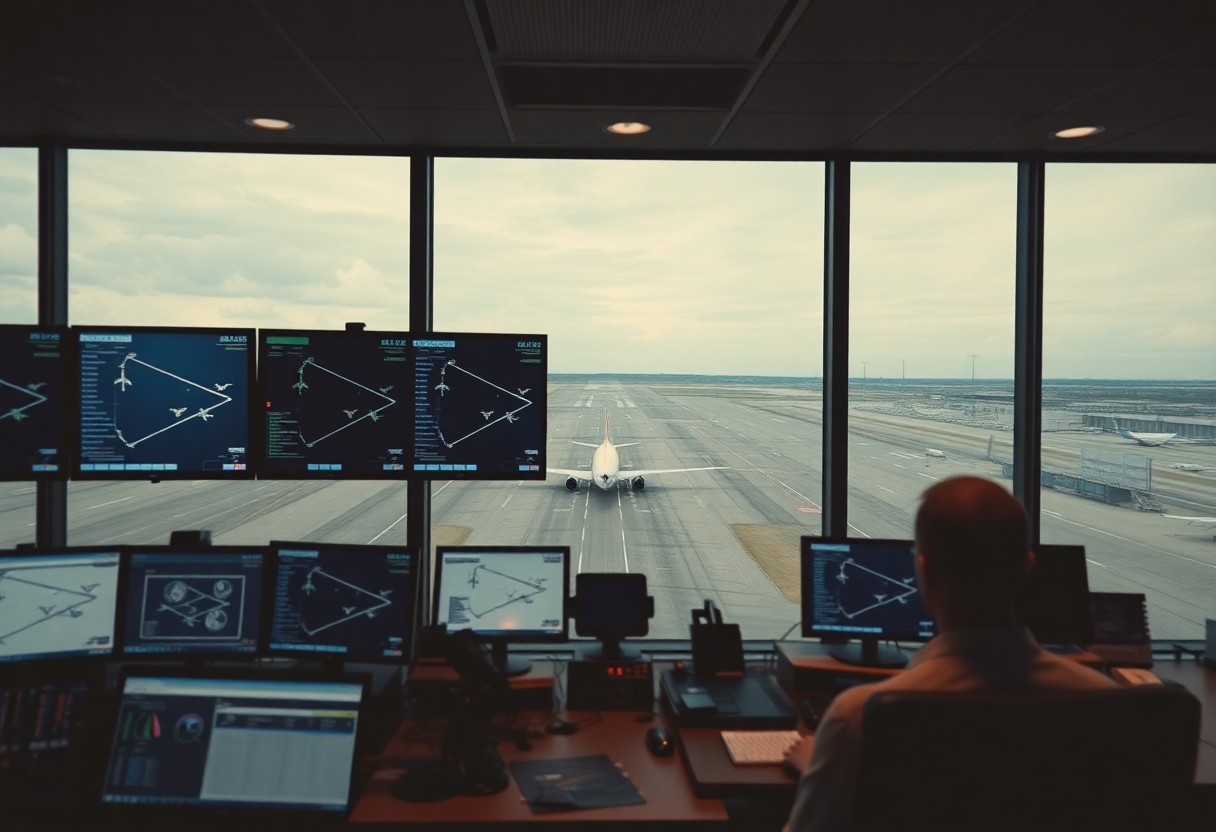
Your understanding of air traffic control (ATC) technologies will enhance your appreciation for how safe and efficient modern aviation operates. These systems work together to ensure that air traffic is managed effectively, allowing for smooth operations from takeoff to landing.
Radar Systems
Above all, radar systems are vital for monitoring aircraft positions in real-time. They utilize radio waves to detect and track the location and speed of aircraft within a designated airspace, allowing air traffic controllers to maintain safe distances between planes. This technology forms the backbone of ATC operations.
Automated Dependent Surveillance–Broadcast (ADS-B)
Between traditional radar systems, a newer technology called ADS-B is gaining prominence. This system allows aircraft to broadcast their GPS-based position, altitude, and velocity information to other aircraft and ground stations, which significantly enhances situational awareness for pilots and controllers alike.
For instance, ADS-B allows for better traffic flow management and enhanced safety, especially in remote areas where radar coverage may be limited. Its reliance on GPS not only improves accuracy but also reduces the delay in situational updates, making it a key component in today’s aviation safety framework.
Ground-Based vs. Satellite Navigation
Any assessment of navigation technologies must consider the differences between ground-based and satellite navigation systems. Ground-based systems use a network of radio signals emitted from fixed locations, while satellite navigation relies on signals from a constellation of satellites orbiting the Earth to pinpoint aircraft locations.
Considering the advancements in satellite technology, more airlines are transitioning to satellite navigation systems due to their global coverage and high precision. This shift is not only about improving navigational accuracy but also about enabling enhanced route planning and fuel efficiency. Together, these technologies form a comprehensive framework that supports the dynamic environment of air traffic control today.
The Role of Air Traffic Controllers
Unlike many professions within aviation, air traffic controllers are the unseen heroes ensuring the safety and efficiency of air travel. Their expertise is guided by comprehensive regulations and protocols, which you can explore more in-depth through Air traffic control resources.
Training and Certification Requirements
Around the world, air traffic controllers undergo rigorous training programs and certification processes to qualify for their roles. This typically includes specialized education, simulator training, and on-the-job training to ensure you possess the necessary skills and knowledge to manage air traffic safely and effectively.
Responsibilities and Daily Operations
Role of an air traffic controller encompasses a wide range of responsibilities, which include guiding flights during take-off and landing, managing aircraft separation in the sky, and providing real-time updates to pilots. Your day might involve coordinating with other controllers to ensure smooth transitions across various airspace sectors.
Traffic management is at the heart of an air traffic controller’s daily operations. You monitor multiple aircraft simultaneously, enabling them to navigate safely through busy airspaces while avoiding collisions. Utilizing advanced radar and communication systems, you’ll relay instructions to pilots, ensuring they maintain proper altitude and speed, thereby enhancing the efficiency and safety of air travel.
Challenges Faced by Air Traffic Controllers
Among the numerous challenges faced by air traffic controllers, one prominent issue is managing high volumes of air traffic while ensuring safety. Your ability to think quickly and make sound decisions is tested continuously, especially in adverse weather conditions and during peak travel times.
With the ever-growing demand for air travel, the pressure on air traffic controllers has increased significantly. You must remain vigilant and focused amidst distractions, as a lapse in attention could have severe consequences. Balancing workload, coping with stress, and maintaining effective communication with pilots are all critical elements of your role in ensuring safe air navigation.
Challenges in Modern Air Traffic Control
Keep in mind that air traffic control plays a pivotal role in ensuring safety and efficiency in the skies, but it also faces significant challenges in the modern landscape of aviation.
Increasing Air Traffic Volume
To manage the soaring volume of air traffic, you must understand the complexities that come with optimizing routes, minimizing delays, and ensuring safety. As more flights take to the skies each year, air traffic controllers are required to make faster decisions in increasingly busy airspace.
Weather-Related Issues
Increasing unpredictability in weather patterns adds another layer of difficulty for air traffic control. Severe weather can cause flight delays, diversions, and even cancellations, necessitating swift and effective communication to pilots to maintain safety and efficiency.
This is particularly pressing during seasons known for storms, as controllers work to navigate aircraft around hazardous weather while managing the needs of numerous flights in real time. Your ability to adapt to changing conditions is key to maintaining an orderly flow of air traffic and the safety of all passengers and crew.
Cybersecurity Concerns
Alongside operational challenges, you must also be aware of the looming threat of cyberattacks on air traffic control systems. Such vulnerabilities can jeopardize safety and lead to disruptions within the aviation network if not properly managed and secured.
Even the most advanced systems are not immune to cyber threats; as technology evolves, so too do the tactics of cybercriminals. Ensuring your systems have robust protective measures in place is vital for maintaining the integrity of air traffic operations and protecting the critical infrastructure that keeps air travel safe.
Future Trends in Air Traffic Control
Now, as aviation continues to evolve, the role of air traffic control is becoming increasingly sophisticated. You can read more about The Essential Role of Air Traffic Control in Ensuring Your Safety. Emerging technologies and methodologies are shaping the future landscape of airspace management, adapting to the needs of modern aviation.
Integration of Unmanned Aircraft Systems (UAS)
Control of unmanned aircraft systems (UAS) is becoming a priority in air traffic management. As UAS becomes more prevalent in both commercial and recreational sectors, it is vital for air traffic control to develop methods for safely integrating these airborne devices into the existing airspace system. This will ensure the safety of manned aircraft while allowing UAS operators to conduct their operations efficiently.
Advancements in Artificial Intelligence
The future of air traffic control is increasingly reliant on advancements in artificial intelligence (AI). AI can assist controllers by analyzing vast amounts of data, improving decision-making, and managing real-time traffic more effectively. This enhancement not only streamlines operations but also contributes to a higher level of safety.
For instance, AI-powered systems can predict potential conflicts before they occur and provide controllers with actionable insights. These predictive capabilities drastically reduce the risk of accidents and improve overall traffic flow, allowing for more efficient airport and airspace operations. Your experience as a passenger will be greatly enhanced as these advanced technologies take root in the ATC systems.
Sustainability and Environmental Considerations
Among the emerging trends in air traffic control are sustainability and environmental considerations, driven by the need for greener aviation practices. Air traffic management technologies are being designed to minimize emissions, optimize flight paths, and reduce fuel consumption, ultimately benefitting our planet.
Due to growing concerns about climate change and the aviation industry’s impact, air traffic controllers are now prioritizing sustainable practices. By adopting technologies that promote fuel-efficient routing and optimizing landing patterns to decrease noise levels at airports, you can expect a significantly reduced environmental footprint in air travel, contributing to a more sustainable future in aviation.
To wrap up
Conclusively, understanding the role of air traffic control enhances your appreciation for the safety and efficiency of modern aviation. As a vital component in managing the complex web of air travel, air traffic controllers ensure that aircraft operate smoothly and safely in the skies. By coordinating takeoffs, landings, and airspace navigation, they mitigate risks and improve overall flight experiences for passengers. Acknowledging their importance allows you to recognize the sophisticated systems that keep the aviation industry thriving and secure.