Just as your travel experience shapes your journey, the quality of airline food can significantly impact your flight. In this blog post, you will explore reviews of inflight meals and catering services that airlines offer, helping you make informed choices about what to expect on your next journey. From gourmet dining to pre-packaged snacks, understanding the standards and trends in airline catering will enhance your overall travel experience and satisfy your culinary expectations while in the air.
The Evolution of Airline Catering: From Snack Packs to Culinary Experiences
Historical Context of Inflight Dining
The origins of inflight dining can be traced back to the early days of commercial aviation in the 1920s and 1930s. Passengers were initially offered basic snacks, such as sandwiches, fruits, and packaged items like peanuts and crackers. These offerings were simplistic, often comprised of products that could withstand the rigors of flight and require minimal preparation. For instance, Pan American World Airways pioneered the concept of inflight meals in 1927, serving light refreshments to its passengers, ensuring that even the shortest of flights had something to munch on.
As air travel gained popularity post-World War II, airlines began to recognize the importance of providing a satisfactory dining experience. With the introduction of jet airliners in the 1960s, the demographics of the flying public changed dramatically, leading to longer flight durations and, consequently, a demand for more substantial meal offerings. Airlines began to include multi-course meals featuring regional cuisines, often engaged chefs to develop their menus, and even partnered with famous culinary names, reflecting the growing importance of gastronomy in air travel.
The Shift Towards Gourmet Offerings
Your experience in the skies could change dramatically as the 21st century approached. With increasing competition among airlines and a shift in passenger expectations, airlines began to rethink their catering strategies. Gourmet offerings started creeping into airline menus as they recognized the potential for creating unique culinary experiences that could set them apart. For example, Delta Air Lines launched its “Delta One” service featuring menus crafted by distinguished chefs, while Singapore Airlines has long been known for its collaboration with renowned Michelin-star chefs.
Thanks to this trend, many airlines now offer region-specific dishes crafted with higher quality ingredients, shifting away from the pre-packaged, mass-produced meals that used to dominate. A notable example is how Qatar Airways, with its ‘dine on demand’ service, allows premium passengers to order meals whenever it suits them during the flight, elevating the dining experience to new heights. This signifies not just a change in the food served, but a deeper commitment to enhancing passenger satisfaction and creating memorable experiences at altitude.
This gourmet makeover continues to revolutionize the inflight dining landscape, with numerous airlines investing heavily in better equipment and culinary partnerships. With airlines now collaborating with celebrity chefs and using locally sourced ingredients, the outcome is often a menu that mirrors high-end restaurants rather than traditional inflight options. The emphasis on presentation and flavor encapsulates a broader trend inherent in modern air travel: prioritizing passenger comfort and experience at every level, including the meal you enjoy at 35,000 feet.

The Role of Airline Partnerships with Catering Services
Selection Criteria for Catering Partners
Airlines carefully evaluate potential catering partners based on various factors that directly impact the in-flight dining experience. These criteria often include the ability to provide high-quality ingredients, adherence to dietary restrictions, and a commitment to sustainability practices. Additionally, factors such as the partner’s operational capacity, experience in managing large-scale food production, and the ability to adapt to different cuisines play a significant role. Your airline’s choice in catering partner speaks volumes about its brand positioning and customer engagement strategy. For example, an airline that consistently sources local ingredients from reputable suppliers can enhance its image while also providing your palate with fresh, regional flavors.
Logistical considerations are equally important. Catering services must demonstrate efficiency in food preparation and delivery to ensure meals maintain quality and safety throughout the journey. Airlines often require partners to possess the necessary infrastructure for food storage, temperature control, and proper sanitation protocols. You might be surprised to learn that many airlines conduct on-site audits to ensure compliance with their standards, emphasizing the seriousness with which they approach catering partnerships.
Notable Collaborations: Airlines and Michelin-Star Chefs
Several airlines have forged innovative partnerships with Michelin-star chefs to elevate the inflight dining experience. Collaborating with renowned culinary experts allows airlines to offer gourmet meals that rival those prepared in top restaurants. One notable example is Singapore Airlines, which worked with Chef Gordon Ramsay to curate exclusive dishes for its Business and First Class menus. This collaboration showcases not only the airline’s dedication to quality but also its commitment to providing a unique dining experience that celebrates culinary excellence.
In another instance, Qatar Airways partnered with Chef Nobu Matsuhisa to introduce a selection of Japanese dishes that feature his signature style. These high-profile collaborations generate interest and enhance brand loyalty, as airline travelers often seek out these unique culinary experiences. Your in-flight meal might just include masterpieces created by world-renowned chefs, reflecting the airlines’ efforts to merge luxury dining with air travel.
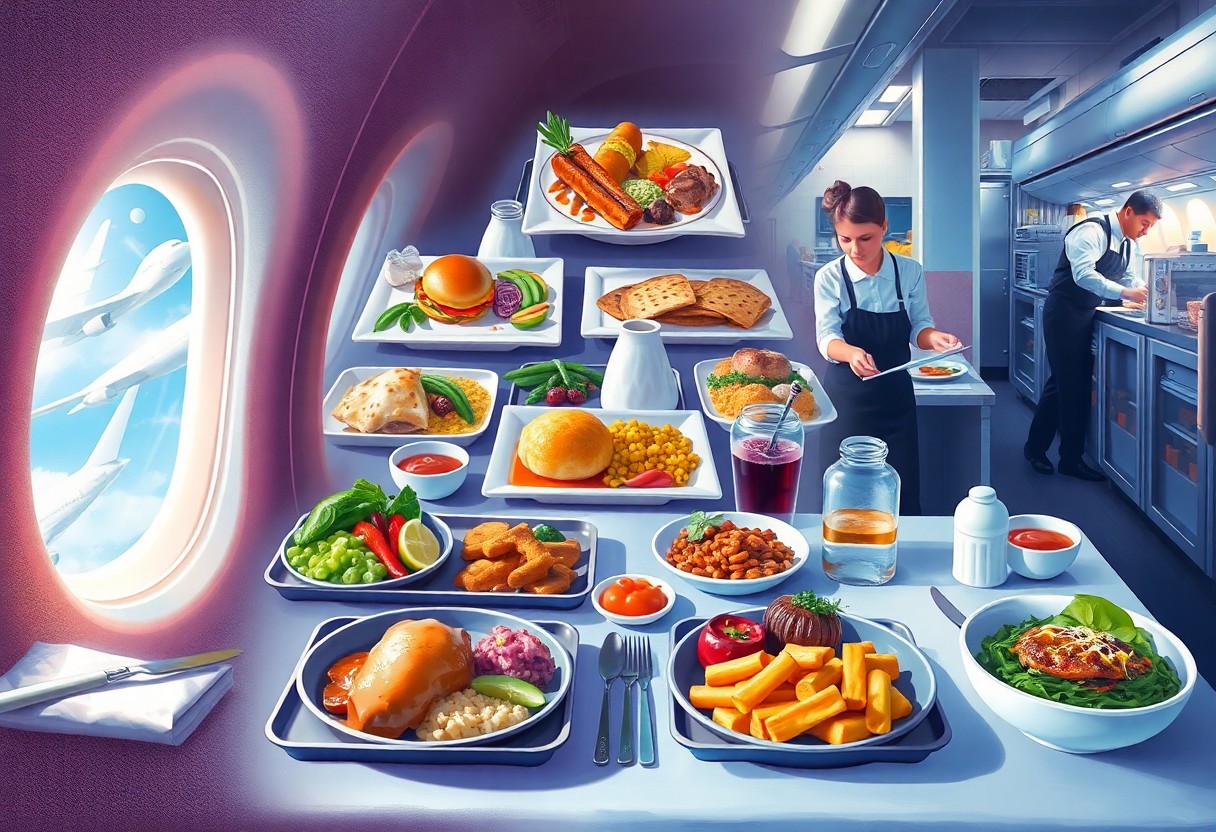
The Gastronomic Journey: Dissecting Inflight Menus
Varieties by Flight Class: Economy vs. Business vs. First Class
Inflight dining dramatically varies across the different flight classes, offering a reflection of both price and expectation. In economy class, you might receive straightforward meals like pasta or chicken with a side of salad. The emphasis is often on efficiency and cost-effectiveness rather than culinary artistry. Expect pre-packaged components, sometimes lacking in flavor and presentation, yet designed to be satisfying enough for your journey. Discerning travelers may find the meals somewhat repetitive, often centered around similar core ingredients and preparation methods.
On the opposite end, business and first-class services elevate the dining experience. Personalized menus featuring gourmet selections become the norm, with options that can include items like lobster thermidor or duck confit. Meals are often freshly prepared and plated beautifully, presenting not just food, but a curated experience. Additionally, you might find sommelier-recommended wine pairings to enhance your meal. The disparity between the classes demonstrates how airlines cater to their passengers’ experiences, providing gourmet flavors and unique presentation for those willing to invest more in their journey.
Seasonal and Regional Influences on Menu Design
Airlines consciously design their inflight menus to reflect seasonal changes and regional delicacies, ensuring a connection with local culture. Incorporating seasonal ingredients not only simplifies procurement but also promises fresher flavors. For instance, during summer months, you might see lighter fare featuring fresh salads and fruits, whereas winter menus may lean towards heartier dishes like stews and curries. This practice not only enhances the dining experience but also aligns with sustainability practices in sourcing food.
Regional influences significantly shape what you can expect on your tray, especially on international routes. An eastern Asian airline might feature sushi or dumplings on a flight from Tokyo, while an American carrier flying into Bangkok might serve Thai curry to honor the destination. This not only promotes cultural exchange but also allows you to experience a taste of your destination while in transit, making the journey feel more relevant and exciting.
Airlines increasingly recognize the importance of seasonal menus, with some launching special meal concepts based on local festivals or seasonal ingredients. This emphasis on regional and seasonal items contributes to the overall experience and sets expectations higher, delighting passengers by turning a meal into a memorable part of their travel. If you’re eager for insights into the increasingly elaborate world of inflight meals, consider checking out Inflight Reviews, where dedicated professionals dissect the quality and complexity of various menus further.
The Dilemma of Dietary Restrictions: Meeting Passenger Needs
Vegetarian, Vegan, and Gluten-Free Options
When booking your flight, you may notice options to select dietary preferences during the reservation process. Catering to a wide array of dietary needs, many airlines now offer choices like vegetarian, vegan, and gluten-free meals. Airlines have recognized the significance of accommodating these requests, especially as travelers become more health-conscious and informed about their food choices. For instance, major airlines such as Emirates and British Airways have revamped their menus to include diverse plant-based selections that go beyond simple salads. With this shift, you can expect gourmet offerings such as roasted vegetable lasagna or quinoa-stuffed bell peppers, ensuring a satisfying and flavorful experience.
Gluten-free options are also evolving, allowing those with gluten sensitivities to enjoy their meals without fear. According to a survey by the International Air Transport Association (IATA), nearly 20% of travelers have dietary restrictions, thus emphasizing the importance of providing quality meal alternatives. Airlines are now extending their efforts to not only meet these restrictions but also to deliver meals that are enjoyable and appetizing. With a heightened focus on freshness and flavor, you may find your gluten-free meal features dishes like grilled chicken with quinoa and seasonal vegetables, catering to both your dietary needs and your taste buds.
Cultural Considerations in Meal Preparation
The culinary landscape of international travel transcends borders and highlights the unique flavors of various cultures. Airlines invest substantial effort in curating their meal options by incorporating dishes that reflect the regions they serve. Understanding the cultural backgrounds of your passengers plays a significant role in meal preparation. For instance, when serving flights from Asia to North America, airlines may include dishes such as teriyaki chicken or Thai curry, recognizing the preferences of travelers. In contrast, offers on return flights might showcase local North American staples, creating a culturally harmonious experience in the sky.
Airlines often partner with local catering companies that specialize in regional cuisine to ensure authenticity in their meal offerings. Southwest Airlines, for example, serves traditional dishes like chicken enchiladas on routes from Mexico, tapping into familiar culinary comforts for passengers. These thoughtful gestures enhance the overall flight experience, making your journey more enjoyable while respectfully honoring the diverse backgrounds of passengers on board. Focusing on such cultural nuances not only meets the dietary restrictions but also enriches the overall dining experience, elevating the perception of airline food. If you’re interested in learning more, check out how how in-flight food enhances the passenger experience.
Quality Control: Behind-the-Scenes of Catering Operations
Food Safety Standards in Airline Catering
Ensuring the safety of inflight meals begins long before they reach your tray table. Catering kitchens are subject to stringent food safety regulations, which may vary from one country to another but typically include International Organization for Standardization (ISO) certifications and Hazard Analysis and Critical Control Point (HACCP) protocols. These standards mandate that every aspect, from food storage temperatures to equipment sanitation, is carefully monitored and logged. For instance, many airlines work with catering partners who invest in specialized training for their staff on hygiene practices and proper food handling procedures.
Your meal could travel through multiple environments—from cold storage trucks to industrial kitchens—before it’s presented to you onboard. Each step in this logistical chain is designed to mitigate the risk of contamination. Airlines often perform unannounced inspections and audits of their catering partners to ensure compliance with food safety standards. This dedication to safety helps ease the minds of travelers, knowing that the meal served has been prepared with care and caution.
Challenges in Maintaining Quality at 30,000 Feet
Cooking and serving food in-flight entails a series of challenges unique to the airborne environment. At cruising altitudes, the lower air pressure and lack of humidity significantly affect the way your food tastes and feels. This is why some airlines are investing in flavor enhancements and even revising their menus to better suit the conditions of high-altitude dining. Creative solutions include using more robust spices or altering cooking methods to ensure the flavors reach your palate as intended.
Temperature control during heating presents another formidable hurdle. Typically, meals are prepped in bulk at catering facilities and then chilled for transport. Once onboard, the reheating process has to ensure that each meal reaches a uniform temperature for safety and quality. Even slight variances can lead to dissatisfied passengers. Airlines often combat this by utilizing more advanced convection ovens, which distribute heat evenly. This process becomes even more significant during peak service periods, when timing and efficiency are vital for customer satisfaction.
Airlines are not only challenged by the cooking conditions but also by the space constraints aboard the aircraft. Limited kitchen appliances can hinder the ability to create meals in a conventional manner, leading to compromises in quality. You might find that certain popular dishes are tweaked or scaled back to suit the onboard capabilities, which can sometimes lead to flavors that don’t quite meet expectations. With these factors at play, it’s clear that the effort to provide quality meals at cruising altitude is ongoing and ever-evolving in response to passenger needs and dining trends.
The Impact of Passenger Feedback on Catering Improvements
Analyzing Customer Reviews and Ratings
Passenger feedback plays a pivotal role in shaping the future of airline catering. You’ll often find that reviews, whether on social media platforms or dedicated travel websites, reflect a wide range of dining experiences, touching on aspects such as taste, presentation, and portion sizes. Airlines are increasingly turning to this data for insights, using algorithms to analyze sentiment and identify trends in traveler preferences. For instance, a sudden spike in negative comments about a specific meal can prompt an immediate reevaluation of that dish, leading to iterative improvements in future offerings.
Furthermore, some airlines actively encourage you to rate your inflight meals, with surveys frequently distributed after flights. These ratings are taken seriously, and you might be surprised to learn that a low score for a specific meal may result in it being pulled from the menu. By examining recurring themes in your feedback, airlines can adapt their catering strategies, often resulting in meals that resonate better with their customers’ tastes and dietary needs.
How Airlines Respond to Culinary Criticism
As far as addressing culinary criticism, airlines have developed various proactive measures to enhance passenger satisfaction. After collecting your feedback, they might organize tasting panels that include crew members and external culinary experts to evaluate meal options. For instance, when several travelers expressed dissatisfaction with the flavor profiles of vegetarian options, one major airline revamped its menu in collaboration with a renowned chef to introduce diverse, globally-inspired dishes aimed at pleasing a wider audience.
Moreover, some carriers are transparent about their changes, often reaching out to passengers via newsletters or social media posts to showcase new initiatives. This direct line of communication not only helps restore confidence among travelers, but it also fosters a sense of community as you witness firsthand how your insights contribute to tangible improvements in inflight cuisine. Airlines that invest time in crafting customized meals based on your input are likely to see a significant increase in positive experiences and repeat patronage.
Airlines have realized that culinary criticism is not merely an unwelcome event, but rather an opportunity for growth. Many are now leveraging passenger input by hosting panels or consultations whereby you might find yourself participating in the decision-making process for future menus. It’s not uncommon for some airlines to invite frequent flyers to special tastings, creating an engaged community that feels more invested in the dining experience. This approach not only acknowledges and validates your feedback but also shapes a more appetizing future, turning critiques into opportunities for culinary innovation.

Technological Advancements in Airline Catering
Innovations in Food Preservation and Reheating Techniques
Airlines continually strive to enhance the quality of your inflight dining experience, and recent innovations in food preservation and reheating techniques play a significant role. Many carriers now utilize advanced sous-vide cooking methods, ensuring that meals are vacuum-sealed and cooked to precise temperatures, which helps retain nutrients and flavors. This approach not only improves food safety but also allows for better texture, making your experience more satisfying. Once onboard, the use of retherm ovens, which provide precise temperature controls, ensures that each meal is heated evenly, mimicking the food quality you might expect at a restaurant.
Moreover, some airlines are investing in packaging materials that can withstand high humidity and pressure during flight, further preserving taste and freshness. For instance, with the advent of smart packaging technologies, certain meal containers can change color to indicate ripeness and freshness, informing the cabin crew of the best time to serve the dish. Such measures are designed to enhance your dining experience, ensuring that what you receive at 35,000 feet meets your expectations.
The Role of Data Analytics in Menu Development
The use of data analytics has transformed how airlines approach menu development. By analyzing passenger preferences and dietary restrictions, airlines can craft menus that cater to a diverse range of tastes and needs. Subscription models and loyalty programs also provide valuable insights into what meals passengers enjoyed most, which in turn informs upcoming offerings. For instance, if data shows that you and other passengers frequently opt for vegetarian meals, airlines can allocate more resources to enhance their plant-based options.
Airlines are leveraging analytics not only to tailor menu items based on demographic and regional preferences but also to predict trends in dining and nutrition. Advanced algorithms can analyze social media mentions of various dishes, allowing airlines to stay ahead of culinary trends. This means that next time you fly, you might just find a completely new dish influenced by real-time data reflecting current food movements, showing just how responsive airline catering has become to your preferences.
By continuously monitoring customer feedback and adjusting menus accordingly, airlines foster a dining experience that reflects your tastes and preferences. As these data-driven strategies evolve, you can expect a more personalized and satisfying inflight meal, making even the most routine flight feel memorable.
The Economics of Airline Food: Cost vs. Quality
Budget Constraints and Their Effects on Catering Choices
Airlines operate under tight budget constraints, and these limitations often directly impact the quality of inflight meals you receive. Catering budgets can differ significantly from one carrier to another, influenced by various factors like cabin class, route length, and target customer demographic. For example, low-cost airlines allocate as little as $3 to $5 per person for meals, which inevitably restricts the quality of ingredients and preparation methods to the bare minimum. As a result, you might find yourself navigating a menu heavy on processed foods or less appealing options during a budget flight. Conversely, premium airlines that invest significantly in their inflight meal service often boast higher per-passenger budgets, allowing them to partner with renowned chefs and craft more diverse, fresh, and appealing meals.
The choice of catering providers also plays a vital role in shaping inflight dining experiences. Airlines aiming to keep costs low may opt for catering companies that prioritize standardized meals over bespoke offerings. This often leads to inconsistency in quality and taste, which can leave passengers dissatisfied. For instance, you might fly a major carrier on one route and revel in a gourmet meal but encounter a bland, unimaginative assembly the next time you travel the same airline, simply due to differing catering contracts and cost constraints.
The Influence of Price on Passenger Satisfaction
The correlation between meal prices and passenger satisfaction is a nuanced affair. While a higher expenditure on inflight catering typically translates to better-quality offerings, there are exceptions based on service perception and brand value. You might have experienced a situation where a seemingly expensive meal underwhelmed, leading to dissatisfaction despite the hefty price tag. In the world of airline service, it’s not just about what you consume; it’s also about your expectations and the perceived value for your money. A thoughtfully designed meal absorbing the essence of local cuisine can enhance your travel experience, irrespective of actual costs.
Surveys indicate that passengers often prioritize food quality when assessing an airline’s service, and they’re willing to pay a premium for meals that stand out. A report by the International Air Transport Association (IATA) highlights that nearly 70% of travelers would choose airlines based on better menu options, revealing your desire for quality extends beyond mere sustenance. An airline’s ability to strike the right balance between cost and quality could ultimately persuade you to select one airline over another for future travels. When airlines invest wisely in their inflight services, they not only enhance your satisfaction but also foster customer loyalty, an vital component of a successful business model in a highly competitive industry.
Final Words
Conclusively, your experience with airline food and catering can significantly influence your overall travel satisfaction. As you evaluate inflight meals, consider not just the taste but also the presentation, variety, and how well they align with your dietary preferences and restrictions. From gourmet offerings in premium classes to surprisingly delightful economy meals, the quality of airline food is improving, and reviews can guide you in making informed decisions for your next journey. Take the time to explore what different airlines have to offer; you might be pleasantly surprised by the culinary options available at 30,000 feet.
Additionally, staying updated on the latest trends in airline catering can enhance your in-flight experience. You can find insights into meal selections, changes in catering partnerships, and innovative approaches that airlines are adopting to improve passenger satisfaction. By making yourself aware of reviews and feedback regarding inflight meals, you empower yourself to choose flights that prioritize culinary quality, ensuring that every aspect of your travel aligns with your personal expectations. Enjoy your next flight—your palate deserves it!