Just as your travel plans rely on airline connectivity, understanding airline route maps can greatly enhance your journey. Airline route maps visually represent the extensive network of global routes operated by various airlines, giving you insight into destinations you might not have previously considered. In this post, you’ll explore how these maps can inform your travel decisions, help you identify direct flights, and uncover valuable data about the airline industry. By delving into the intricacies of these visuals, you can become a more informed traveler.

The Anatomy of Airline Route Maps
Elements that Comprise a Route Map
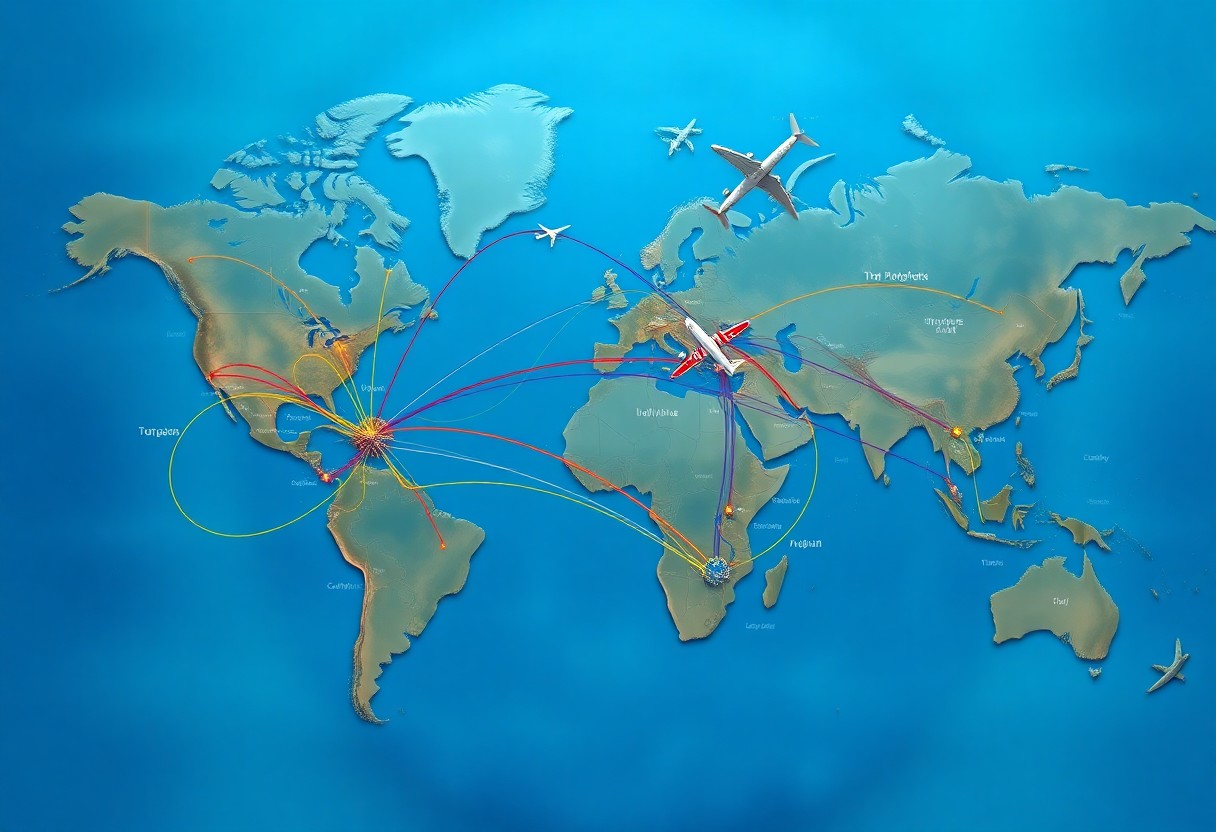
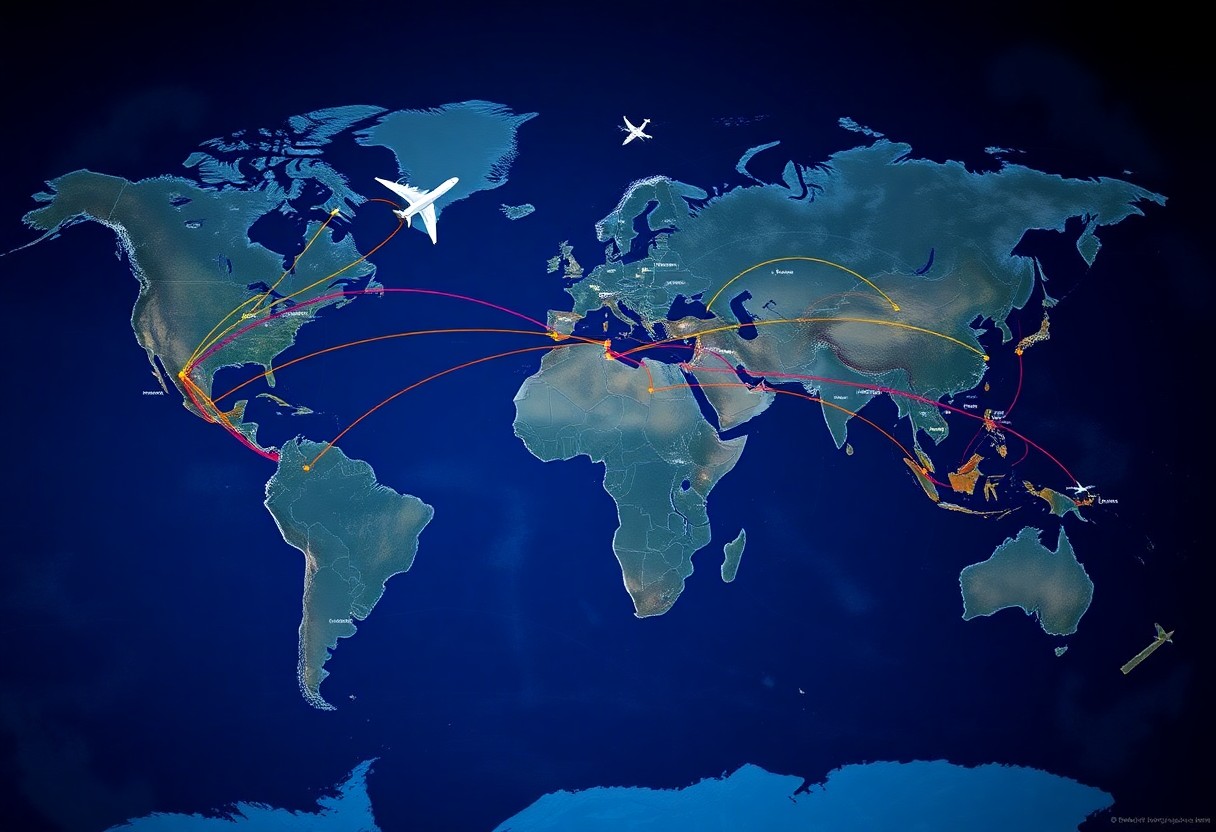
Airline route maps are a carefully curated blend of design and data, laying out a visual representation of global air travel that is both aesthetically pleasing and functionally informative. At a glance, you’ll notice that each route map is punctuated with lines that connect various destinations, representing the paths that aircraft will take. The nodes on these lines typically symbolize airports, often marked with unique identifiers, such as airport codes or city names. Colors and thickness variations in these lines often indicate the frequency of flights, such as daily, weekly, or seasonal services, allowing you to easily assess the availability of routes at a glance.
Another significant component of route maps is the visual hierarchy established through labeling and geographical context. Larger or bolder fonts are often used for major hubs, while smaller or lighter text may denote secondary locations. Understanding the design principles behind the arrangement of these elements can help you make sense of the map’s complexities, guiding your travel planning effectively and revealing the airline’s operational focus in terms of routes serviced and regions targeted.
Symbolism and Icons Used in Airline Visuals
Airline route maps employ an engaging array of symbols and icons to convey crucial information quickly. For instance, you might find airplane icons representing routes operated by the airline, while different color schemes could represent regional service areas or specific classes of service, such as domestic versus international flights. Additionally, some maps include symbols denoting code-share partnerships or alliances, which expand the network’s reach beyond the airline’s own operations, showcasing a wider array of travel options for you.
Throughout your exploration of airline route maps, you’ll come across specialized icons that indicate various services and amenities at specific airports. For example, an icon might denote the availability of lounges, Wi-Fi, or car rentals, which can be crucial when planning long layovers. This symbolic language allows for quick assessments, enabling you to identify not just your desired flight paths but also the conveniences awaiting you at each destination.
Decoding the Data: How Route Maps Inform Operations
The Role of Route Maps in Airline Strategy
Route maps serve as vital components of an airline’s operational strategy, offering a clear visualization of where flights operate and how different markets are connected. You can identify which routes generate the most revenue and which may need adjustment or discontinuation. For example, if data shows a significant drop in passenger loads on a seasonal route, it might signal the need for a strategic pivot. This analysis helps you allocate resources more effectively and focus on routes that promise better returns. Airlines can leverage these insights to optimize flight schedules, analyze fleet utilization, and even consider code-sharing arrangements for routes that demand higher traffic.
Moreover, your understanding of airline market positioning can benefit from examining route maps within the context of competitor operations. Observing where rivals expand their networks can reveal potential opportunities. If a competitor increases their presence in a growing market, you might want to consider strengthening your own offerings to stay competitive. For instance, an airline that strategically branches into under-served locations can achieve significant market share in regions where demand is on the rise.
Analyzing Passenger Traffic Patterns
Passenger traffic patterns uncovered through route maps will give you insights into popular travel corridors, seasonal demand fluctuations, and potential growth markets. By tracking the flow of passengers across routes, you can see which destinations consistently attract travelers. If certain routes display increased traffic during specific times, this could inform seasonal flight planning or targeted marketing campaigns. In contrast, if certain routes show fewer passengers than expected, you can assess whether the cause lies in pricing, service, or external factors, enabling you to adapt accordingly.
A deeper probe traffic analysis often reveals that some routes may be healthily booked but at lower profitability rates. You might discover that while a specific route has high passenger numbers, fare class distribution is skewed towards lower fares, resulting in lower overall revenue. Insights garnered from this data allow for further strategic decisions such as fare adjustments or enhancements to onboard services to improve revenue per passenger.
Understanding these traffic patterns also extends to geographical preferences. Historical data illustrated through route maps may show that particular demographics favor certain destinations, which can guide marketing strategies and partnerships to enhance connectivity or promotions tailored to specific traveler segments. For instance, if a route consistently attracts a younger demographic, the decision to enhance entertainment options on flights could yield higher satisfaction and repeat business.
Using tools such as Global Airplane Routes can help you visualize and analyze this data efficiently, providing comprehensive insights necessary for data-driven decision-making within the airline industry.
The Geographic Significance of Airline Networks
Major Hubs and Their Global Connections
Airline networks often revolve around key hubs that serve as vital connection points for passengers and cargo alike. These hubs facilitate numerous direct flights and connections, significantly reducing travel times for many international routes. For instance, airports like Atlanta (ATL), Heathrow (LHR), and Dubai (DXB) are pivotal in global travel due to their extensive list of destinations and high operational capacity. By analyzing comprehensive airline route maps, you can grasp the strategic placement of these hubs across continents, which enables airlines to maximize passenger load and optimize operational efficiency.
You might find it intriguing that a hub like LAX (Los Angeles International Airport) not only links key cities within the U.S., but also connects to Asian and South American markets. This connectivity creates a diverse array of travel options for you, the traveler, ultimately shaping your travel experiences and choices. Understanding these major hubs and their global connections is vital for anyone looking to navigate the intricacies of modern air travel.
Emerging Markets: Routes Gaining Popularity
Recent years have shown a significant uptick in routes connecting to emerging markets, reflecting economic growth and increased demand for travel options. Countries in Southeast Asia and Africa, such as Vietnam and Nigeria, are witnessing more airlines establishing new routes, yielding a substantial increase in passenger traffic. This trend indicates not only a robust interest in these destinations but also that airlines are adapting to shifts in global passenger demographics. If you find yourself exploring upcoming travel destinations, these emerging markets could soon become key players on your itinerary.
A study from the International Air Transport Association (IATA) highlights that regions like the Middle East and Asia are projected to see the most growth in air travel over the next decade. Various airlines are responding proactively by launching new routes that cater to this demand. For example, many low-cost carriers are doubling down on routes from European hubs to cities like Nairobi or Ho Chi Minh City—places that attract business, tourism, and investment. This not only strengthens your travel options but also fosters cultural exchange and economic development in these regions. For visual insights, take a look at this detailed graphical representation of flight paths in the piece titled Mapping Airways: The World’s Flight Paths and Airports.
Economic Factors Shaping Global Route Decisions
Understanding the economic landscape is necessary when analyzing airline route decisions. Numerous variables contribute to this dynamic environment, influencing how airlines operate and which routes they prioritize. Your airline’s operational efficiency, profitability, and overall strategy often hinge upon these economic factors.
- Fuel Prices – A primary cost driver for airlines
- Trade Agreements – Enhancing or limiting access to markets
- Currency Fluctuations – Affecting costs and revenues
- Demand for Air Travel – Shifting customer preferences and economic conditions
Perceiving these elements helps you grasp the priorities airlines set in establishing their routes on the map.
Fuel Prices and Their Impact on Route Selection
Fuel prices directly influence which routes airlines choose to operate. A dramatic rise in fuel costs can shift the equation, making longer routes less economically viable. Airlines often employ advanced analytics to adjust their networks based on the latest fuel price trends, assessing not only the immediate costs but also the long-term implications for profitability. For instance, when oil prices surged in 2008, many airlines had to reevaluate their operations, leading to the closure of many underperforming routes.
Furthermore, your understanding of fuel consumption patterns becomes critical, as airlines consider optimizing routes to balance costs. For short-haul flights, fuel efficiency may have less impact on profitability, but on long-haul routes, every minute saved in flight time can equate to significant fuel savings, thereby affecting overall route viability.
The Influence of Trade Agreements on Flight Paths
Trade agreements are pivotal in shaping air routes, as they determine the level of access airlines have to international markets. These agreements can remove restrictions or establish partnerships, allowing airlines to expand their networks in regions that were previously inaccessible or costly to enter. For example, the Open Skies Agreement between the U.S. and the European Union dramatically increased the competition and number of flights operating between the regions, directly affecting route mapping and airline strategies.
In addition to market access, trade agreements can also influence economic stability in partner nations, impacting passenger demand. When trade agreements lead to increased commerce, more travelers typically flow between the nations involved, prompting airlines to tailor their routes based on burgeoning demand. Your awareness of these trade dynamics can provide a comprehensive understanding of why certain routes are prioritized over others in a rapidly evolving global marketplace.
Visual Storytelling: The Art and Science of Map Design
Design Principles in Route Map Creation
Designing an effective airline route map hinges on a balance between visual appeal and informational clarity. Utilizing a limited color palette can draw focus to specific routes, while employing intuitive symbols can enhance understanding without overwhelming the viewer. The use of whitespace ensures a clean layout, permitting your eye to navigate the visual space with ease. Ultimately, the goal is to guide your audience through the map, allowing them to glean insights about routes and destinations without needing in-depth knowledge of aviation geography.
Incorporating data visualizations, such as flight frequency and passenger volume, into your maps can strengthen their utility. For instance, using varying line thickness to denote more frequently traveled routes offers an immediate visual cue, reinforcing your understanding of an airline’s operational focus. Additionally, by positioning routes relative to real-world geography, you reveal underlying patterns that might otherwise go unnoticed, such as connections between regional markets and global hubs.
Case Studies: Compelling Route Visuals from Leading Airlines
Several airlines have mastered the art of map design, creating visually stunning and informative route maps that engage their audience. These case studies showcase innovative approaches to visual storytelling in the aviation sector. For example, Air Canada’s route map utilizes contrasting colors to represent domestic and international flights, allowing for an immediate visual differentiation that enhances usability. Similarly, Qatar Airways effectively highlights their strategic focus on connecting distant markets with minimal layover times, providing users with a comprehensive view of their global operations.
- United Airlines: Their interactive map features real-time data showing flight availability, enhancing user engagement. It has driven a 20% increase in online bookings since its launch.
- Emirates: The visually striking global route map, combined with illustrative graphics of landmarks, resulted in a social media engagement increase of 30% during promotional periods.
- Delta Airlines: By using a color-coded scheme to represent seasonal routes, Delta has attracted attention to less-traveled destinations, resulting in a 15% increase in passenger numbers during off-peak seasons.
- Singapore Airlines: Their route map is notable for integrating customer feedback in its design, leading to a reported 25% increase in customer satisfaction scores related to planning and information access.
These case studies not only demonstrate the effectiveness of visually appealing and functional designs but also highlight how data-driven choices can impact the operational success of an airline. By leveraging customer behavior and preferences, these leading airlines have transformed their route maps into strategic tools that facilitate both informed travel decisions and enhanced brand loyalty. Your exploration of these examples can provide valuable insights into how to approach your route map design with a fresh perspective on both aesthetics and utility.
Future Trends in Airline Routing and Mapping
The Rise of Technology in Route Optimization
Artificial intelligence (AI) and machine learning are transforming route optimization in ways you may find surprisingly innovative. By analyzing vast quantities of historical data, these technologies can identify the most efficient routing solutions based on factors such as weather conditions, air traffic, and passenger demand. Airlines like Delta and Lufthansa have incorporated these solutions, resulting in significant cost savings. For instance, Delta Airlines reported a 20% reduction in operational costs after implementing an AI-driven routing system that helps manage scheduling and fuel efficiency.
Additionally, real-time data analytics are enhancing decision-making processes for route adjustments. When a storm disrupts regular flight paths, algorithms can rapidly assess alternative routes that minimize delays and maximize resource utilization. Your experience as a traveler can also benefit from these advancements, as technology gets passengers to their destinations more reliably and punctually.
Sustainability Considerations in Route Planning
As the aviation industry becomes increasingly aware of its environmental impact, sustainability considerations are becoming integral to route planning. Airlines are now exploring opportunities to reduce carbon emissions by optimizing flight routes, which can lead to lower fuel consumption. For example, United Airlines has committed to achieving net-zero greenhouse gas emissions by 2050 through initiatives such as route optimization and the use of more fuel-efficient aircraft.
The push for greener alternatives doesn’t only stop at choosing the shortest paths. Airlines assess altitude profiles and changes in flight speed, which can all contribute to achieving greater fuel efficiency. In fact, one study estimated that adopting more environmentally-conscious routing could reduce carbon emissions significantly by 15% to 20% per flight. You might notice that airlines are increasingly transparent about their carbon footprints, promoting routes designed with sustainability in mind as part of their broader commitment to reduce climate impact, fitting your priorities as an eco-conscious traveler.
The Passenger Experience: What Route Maps Mean for Travelers
How Route Maps Affect Flight Choices
Your travel experience begins well before you step onto a plane; it starts with choosing the right flight. Route maps provide you with the imperative visual tool to assess which airlines fly to your desired destinations and how often. The array of connections visible on a map helps you consider factors like travel time, layover durations, and the convenience of flying directly versus connecting through a hub. For instance, if you’re planning a trip to Europe, a glance at various airline route maps reveals which carriers offer direct flights from your home city, enabling you to weigh options that best suit your schedule and budget. Some savvy travelers even use these maps to discover secondary cities that require a connection but might be more affordable or convenient than flying directly to a major airport.
Your decision-making process benefits from understanding not only the frequency of service but also the quality of the connection between flights. Routes displaying multiple airlines flying to or from the same location introduce competitive pricing and potential upgrades, which can significantly enhance your travel experience. If you spot a carrier offering a unique route or advantageous schedules, it might encourage you to alter your plans or even choose a new travel destination that you hadn’t considered before.
Navigating Complex Itineraries with Map Technology
If you’ve ever tried to piece together a complicated itinerary, you know how overwhelming it can feel. Fortunately, modern technology has revolutionized how you can view and understand airline routes. Interactive map tools provide more than just static images; they allow you to filter routes by airline, fare class, or even travel time. This level of detail empowers you to craft itineraries that align perfectly with your needs. You can visualize flight paths, access real-time status updates, and receive alerts about potential changes or cancellations, all from a single interface. The combination of these features means you can transform what used to be a cumbersome process into a streamlined experience.
Advanced mapping technologies used by airlines and travel platforms help simplify planning, especially when considering multiple legs on a journey. Imagine planning a multi-destination trip through Asia where you need to connect flights seamlessly. Instead of deciphering various time zones and departure terminals from text-based itineraries, interactive airline maps display routes graphically, showing you direct relationships between each segment. As a result, you’re more empowered to spot potential pitfalls, identify the fastest connections, and even assess options for budget airlines that might not appear on traditional travel platforms. This capability means exploring your travel possibilities has never been easier and more engaging.
Cross-Examination: Airlines vs. Low-Cost Carriers
Strategic Route Differentiation Between Market Players
Low-cost carriers (LCCs) excel in designing route networks that primarily serve high-demand leisure destinations, often bypassing major airports to focus on secondary markets where landing fees are lower. For example, consider Southwest Airlines, which operates a unique business model centered on point-to-point routes, enabling them to serve secondary airports that give travelers more options. Traditional airlines like Delta Air Lines, on the other hand, maintain a hub-and-spoke model, with numerous flights connecting at major hubs. This strategy provides flexibility for passengers wishing to connect to diverse domestic and international destinations, albeit typically at a higher price point. The divergence in these strategic approaches highlights LCCs’ focus on efficiency and cost-cutting, often reflected in their pricing strategies and customer experience.
As you analyze route maps, you’ll notice how airlines like Ryanair and EasyJet compete fiercely in Europe’s short-haul market, often saturating popular routes with multiple daily flights while traditional carriers choose to offer fewer services, focusing on premium offerings. By establishing hubs in key markets, legacy airlines can leverage higher load factors, leading to greater profitability per flight despite potentially higher operational costs. In this dynamic landscape, your choice of carrier often hinges on the importance of cost versus convenience, illustrated vividly through these airline route maps where the contrasts between service models become apparent.
Understanding Competition Through Route Mapping
Route mapping serves as a vital tool for understanding how airlines and low-cost carriers position themselves within the competitive landscape. Feeling the pressure from LCCs, legacy airlines often adjust their offerings and schedules in response to the imminent threat of route encroachments. For example, many full-service airlines have begun introducing their own budget subsidiaries to capture value-driven customers, evidenced by models like United’s Ted and Lufthansa’s Eurowings. These strategic moves protect market share while retaining loyalty from price-sensitive passengers who might otherwise gravitate toward low-cost options.
By examining route maps, you can identify emerging markets and trends in competition between various carriers. For instance, routes between major U.S. cities have seen price wars erupt repeatedly as airlines expand service offerings. In 2022, a major price drop occurred in the New York-Los Angeles route, driven by heightened competition from Southwest Airlines entering the market. As new players introduce additional routes and frequency, established airlines look for ways to streamline their offerings, maximizing efficiency while ensuring they retain competitive pricing—an ongoing contest directly visible through the evolving route maps across airline networks.
Final Words
On the whole, understanding airline route maps can significantly enhance your travel planning and decision-making process. These maps serve as a valuable resource in displaying the vast network of routes operated by various airlines across the globe, providing you with insights into destinations, travel frequency, and connectivity options. With this information at your fingertips, you are better equipped to identify the most efficient and convenient travel routes that align with your preferences, budget, and schedule.
Additionally, as you explore the intricacies of airline route maps, you can gain a deeper appreciation for the interconnected nature of air travel. By analyzing different airlines’ networks, you can uncover unique opportunities for itineraries that might have previously gone unnoticed. This knowledge empowers you to make informed choices regarding your travel arrangements, ultimately enhancing your overall travel experience. So, whether you are a frequent flyer or planning your next adventure, leveraging airline route maps will surely serve as an indispensable tool in your journey planning arsenal.