Just when you think you’ve found the perfect travel companion, the choice between the EcoHub Backpack and traditional packs can leave you puzzled. In this guide, you’ll explore the benefits and drawbacks of both options, helping you make an informed decision that aligns with your travel style and values. With a focus on sustainability, comfort, and functionality, you’ll be better equipped to choose the ideal backpack for your adventures ahead.
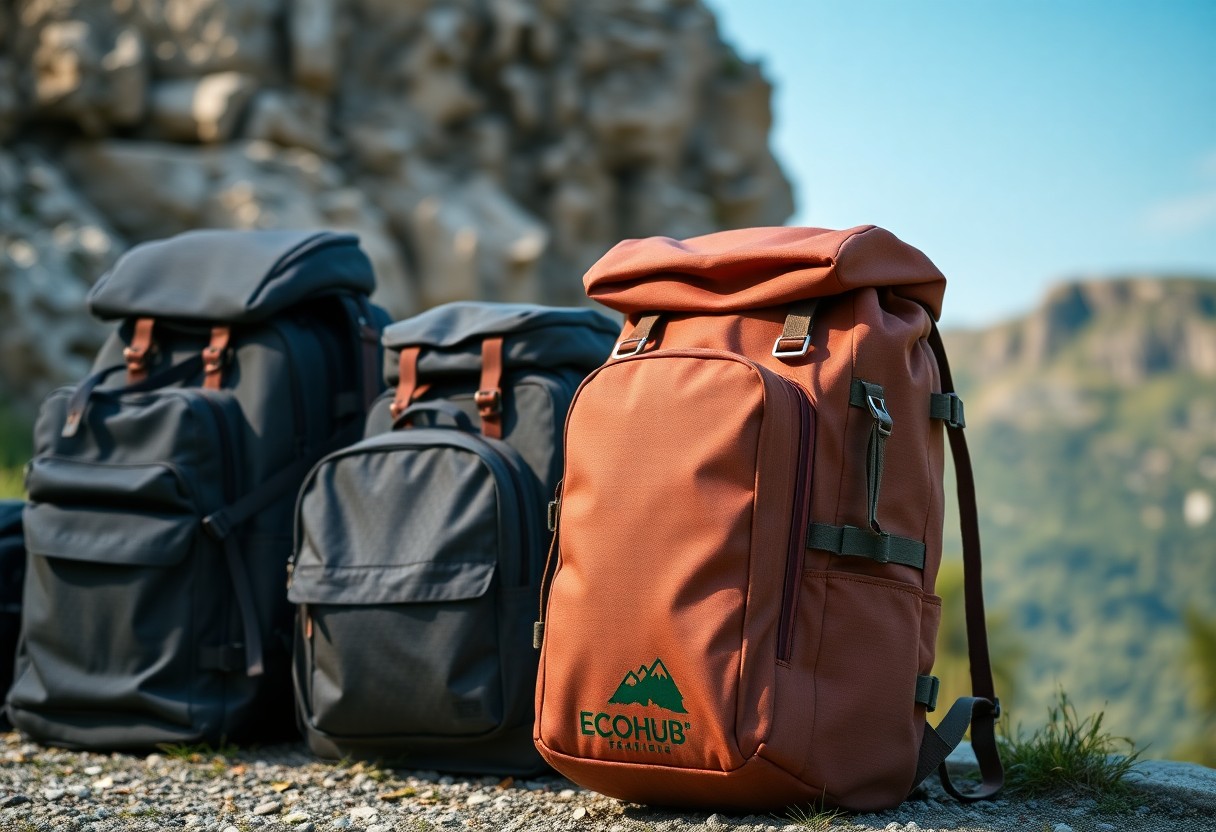
Understanding Eco-Friendly Materials
A comprehensive understanding of eco-friendly materials is vital for making informed choices about your backpack. With more travelers prioritizing sustainability, the emphasis on eco-friendly materials has become a key factor in your purchasing decision. For example, if you are exploring travel options, check this link for insights on One bag for low cost airline travel and day trips : r/onebag.
The Importance of Sustainable Sourcing
Among the many factors influencing your choice of travel gear, sustainable sourcing stands out. Eco-friendly materials that are sustainably sourced contribute to lower environmental impact, ensuring that your outdoor adventures do not come at the expense of the planet. By opting for sustainable products, you support ethical production practices and promote environmentally-responsible consumption.
Types of Materials Used in EcoHub Backpacks
Behind each EcoHub backpack lies a variety of innovative materials designed to meet your sustainability standards. These backpacks often utilize materials such as recycled plastics, organic cotton, and biodegradable fabrics. Understanding the types of materials used will help you appreciate their environmental significance:
| Material Type | Description |
| Recycled Pet | Made from used plastic bottles, reducing waste. |
| Organic Cotton | Grown without harmful pesticides, safer for the planet. |
| Hemp | A fast-growing plant that requires less water. |
| Biodegradable Fabrics | Decomposes naturally, minimizing landfill waste. |
| Recycled Nylon | Cuts down on virgin material usage and is durable. |
Knowing the different materials used in EcoHub backpacks enables you to understand their practicality and the positive impact they have on the environment.
Comparing Eco-Friendly vs Traditional Materials
Beside the benefits of eco-friendly materials, you should also be aware of how they stack up against traditional materials. Traditional backpacks are often made from synthetic materials that can be harmful to the environment due to their production processes and disposal issues. Evaluating this contrast is key to making a responsible choice:
| Eco-Friendly Materials | Traditional Materials |
| Biodegradable options | Plastic that may take hundreds of years to decompose |
| Renewable resources | Dependence on fossil fuels for production |
| Lower carbon footprint | High energy usage during manufacturing |
| Support for ethical production | Often associated with labor exploitation |
| Promotes recycling | Contributes to increased waste |
Eco-friendly materials emphasize environmental sustainability, which stands in stark contrast to the often harmful characteristics of traditional materials.
EcoFriendly materials not only contribute positively to the environment but also provide you with performance benefits. Though traditional materials may offer short-term convenience, they pose long-term environmental risks. Examine the following key comparisons:
| Characteristics | Environmental Impact |
| Durability | Varies greatly based on sourcing |
| Production Process | Environmentally taxing vs. sustainable practices |
| Resource Use | Exhaustive vs. renewable |
| Long-term Cost | Potential cost-saving with eco-friendly options |
| Reusability | Favored in eco-friendly vs. often discarded traditional |
Design and Functionality
Even the best journey can be daunting if you lack the right pack. The design and functionality of your backpack can significantly impact your travel experience, making it imperative to understand the differences between EcoHub backpacks and traditional packs. Each option has its unique features tailored to various travel styles, and knowing which one aligns with your needs will elevate your adventure.
Ergonomics and Comfort in EcoHub vs Traditional Packs
Any backpack you choose should provide adequate support as you explore new terrains. EcoHub backpacks focus on sustainable materials and ergonomic design, promoting comfort while reducing environmental impact. In contrast, traditional packs may offer various comfort features but often prioritize materials that aren’t eco-friendly.
Storage Solutions: Compartments and Accessibility
Design influences how convenient it is for you to access your imperatives at a moment’s notice.
Storage Solutions: Compartments and Accessibility
| EcoHub Backpacks | Traditional Packs |
|---|---|
| Multiple compartments designed for easy access | Standard compartments with limited accessibility |
| Eco-friendly materials optimize packing | Durable but potentially less organized |
| Pockets designed for tech and travel imperatives | Pockets may not align with modern needs |
To maximize your traveling experience, consider the compartmentalization of the backpack. EcoHub packs emphasize functional design with specialized pockets for tech, quick-access features for travel documents, and organization for your imperatives, allowing you to pack smarter. In contrast, traditional packs may offer more limited organization, sometimes leading to the inconvenience of rummaging through the bag.
Weight Considerations for Travel
Along your travels, the weight of your pack can make a significant difference in your comfort levels. EcoHub backpacks typically utilize lightweight, sustainable materials that keep the overall weight low without sacrificing durability. Traditional packs may weigh more due to heavier fabrics, impacting your agility while on the go.
It’s imperative to consider how much weight you’re willing to carry during your adventures. The choice between an EcoHub backpack and a traditional pack could sway heavily based on this factor. Choosing a lighter EcoHub backpack not only makes it easier for you to traverse various environments but also supports sustainable practices, letting you travel with peace of mind.
Environmental Impact
Despite the growing awareness of environmental issues, traditional backpack manufacturing can significantly contribute to pollution and resource depletion. When deciding between EcoHub backpacks and conventional packs, it’s important to consider how each option impacts the planet. Understanding these differences can guide you toward more responsible travel choices.
Carbon Footprint: Manufacturing and Lifespan
Among the primary considerations in sustainable travel gear is the carbon footprint associated with manufacturing. EcoHub backpacks are designed to minimize emissions during production, often using recycled materials that require less energy and resources, whereas traditional packs typically rely on virgin materials, increasing their overall environmental impact throughout their lifespan.
EcoHub’s Approach to Waste Reduction
A significant aspect of EcoHub’s mission is to reduce waste throughout the product lifecycle. This is achieved through innovative design practices and utilizing recycled materials that significantly decrease overall waste and environmental strain. By opting for EcoHub, you’re choosing a product that seeks to minimize its impact not just in your travels but in its entire production chain.
Additionally, EcoHub implements a recycling program that encourages users to return their old packs for repurposing, ensuring that fewer materials end up in landfills. This proactive approach fosters a circular economy, making it more convenient for you to make a positive environmental impact as a consumer. By supporting brands that prioritize waste reduction, you contribute to a more sustainable industry.
The Hidden Costs of Traditional Pack Production
An often-overlooked aspect of traditional packs is the hidden costs tied to their production, which can extend beyond monetary value to include environmental degradation. The resources consumed in the manufacturing of these backpacks may deplete water sources and add harmful chemicals to ecosystems, impacting not just your travels but the communities connected to those resources.
Hence, when you consider the total implications of your purchase, traditional backpacks may impose significant environmental costs that go unnoticed at first glance. This includes pollutants released during production and the burdens placed on natural resources, which ultimately contribute to climate change. Choosing more eco-friendly options like EcoHub not only supports responsible production practices but also reflects your commitment to sustainability in travel.
Price Analysis
Initial Costs: EcoHub vs Traditional Packs
About the initial investment, EcoHub backpacks generally come with a higher price tag compared to traditional packs. This cost reflects their sustainable materials and innovative designs aimed at minimizing environmental impact. While your budget may guide this choice, consider the long-term benefits that come with EcoHub’s commitment to eco-friendliness.
Long-Term Value and Durability
Durability is a key factor for any traveler when assessing long-term value. EcoHub backpacks are crafted from robust materials that can withstand wear and tear from frequent use. This may mean fewer replacements over time, making it a wise investment for your travel adventures.
Due to their enhanced durability and responsibility-driven manufacturing processes, EcoHub packs often outlast traditional options. While they may cost more initially, these backpacks tend to offer significant value over time, especially when you factor in the cost of replacing cheaper packs that wear out quickly. Investing in a high-quality pack could save you money in the long run.
Cost-Benefit Analysis for Travelers
Initial costs can arise as a concern when deciding between EcoHub and traditional packs. It’s necessary to weigh these starting prices against the potential longevity and functionality that different packs offer. A well-made EcoHub pack may save you replacement costs and environmental impact over time.
In addition to durability, think about the overall experience each backpack can provide. EcoHub packs often feature modern designs and additional functionalities that may enhance your travels, leading to unforgettable adventures. By assessing the total cost of ownership, you might find that the higher initial expense is justified by the benefits and satisfaction you receive. This comprehensive evaluation empowers you to choose wisely for your travel needs.
Traveler Experiences
For anyone considering a new backpack, user experiences can provide valuable insights. The EcoHub Backpack, designed with eco-friendly materials, has garnered a diverse range of feedback from travelers who prioritize sustainability while on the move.
User Reviews: EcoHub Backpack
Below are some user reviews highlighting the positive aspects of the EcoHub Backpack.
- “Lightweight and spacious, perfect for long hikes!”
- “I love that it’s made from recycled materials!”
- “Comfortable on my back, even after hours of wear.”
- “The organization pockets are smartly designed and super helpful.”
User Experiences with Traditional Packs
Experiences with traditional packs vary widely, as many travelers share stories of both joy and frustration when it comes to their reliability and functionality.
User feedback often highlights issues like lack of durability and comfort during extended trips. Many travelers report sore shoulders and backs when using conventional packs on lengthy adventures. Additionally, traditional packs frequently lack the modern organizational features that newer designs offer, leading to a cumbersome experience when trying to access items on the go.
Case Studies: Travel Bloggers’ Perspectives
On the blogging front, travel influencers have shared their own findings when comparing EcoHub and traditional packs, providing further insight into their practicality.
- Alex Travelled: Explored 5 countries with an EcoHub, achieved a comfort rating of 9/10.
- Global Wanderer: Used traditional packs for 3 months; mentioned discomfort on day hikes.
- Sustainable Trekker: Chose EcoHub for a eco-conscious trip; praised its durability with a 95% satisfaction rate.
- Nomadic Lifestyle: Tested both pack types, recorded EcoHub’s weight as 25% lighter than traditional options.
To make an informed decision on your next backpack, looking into these case studies is invaluable. Travel bloggers provide firsthand accounts that underscore the strengths and weaknesses of each backpack type, giving you real-world examples that you can rely on when making your choice.
Tips for Choosing the Right Pack
Your choice of a backpack can significantly impact your travel experience, so it’s vital to select one that meets your needs. Here are a few tips to help you make the best choice:
- Consider the duration of your trips.
- Identify your packing style.
- Think about the activities you’ll be doing.
- Evaluate the weight and size of the pack.
- Examine the materials and durability.
- Check for comfort features like straps and padding.
The right pack enhances your adventures while minimizing discomfort.
Assessing Your Travel Needs
Tips for assessing your travel needs involve evaluating the type of trips you usually take—whether they’re short weekend getaways or extended journeys. Consider what vitals you need to carry, how often you’ll use the pack, and the environments you’ll encounter. This understanding enables you to narrow your options and find a pack tailored to your lifestyle.
Making Informed Choices: Features vs Preferences
About your preferences and the features of the pack you choose should work in harmony. Some travelers prioritize storage compartments, while others may look for hydration systems or weatherproofing. Consider what matters most to you as you evaluate various packs to ensure you get the best of both worlds.
At the core of making informed choices is understanding the balance between practicality and personal preferences. When choosing features, weigh how they align with your travel habits and style. This will guide your decision-making and help you find a pack that fits both your needs and your aesthetic.
Questions to Ask Before Buying
Preferences should lead you to ask several key questions when purchasing a backpack. Consider asking yourself about your packing habits, the terrain you’ll cover, and whether you’ll need extra storage for specific gear. These inquiries can shine a light on whether a particular pack aligns with your travel approach.
Even small details matter when considering what to buy; features like pocket configurations and access points can significantly affect your packing efficiency and comfort. Before making a final choice, ensure you weigh these aspects against your travel vitals and personal style. This thorough examination helps you to select a backpack that truly meets your needs.
Conclusion
Taking this into account, when deciding between the EcoHub Backpack and traditional packs, consider your travel style and environmental impact. The EcoHub offers sustainability along with multifunctionality, while traditional packs may excel in durability and classic design. Assess your needs to choose wisely, ensuring that your backpack enhances your travel experience. For further insights on the benefits of different pack types, explore Lightweight vs Traditional Hiking Backpacks.