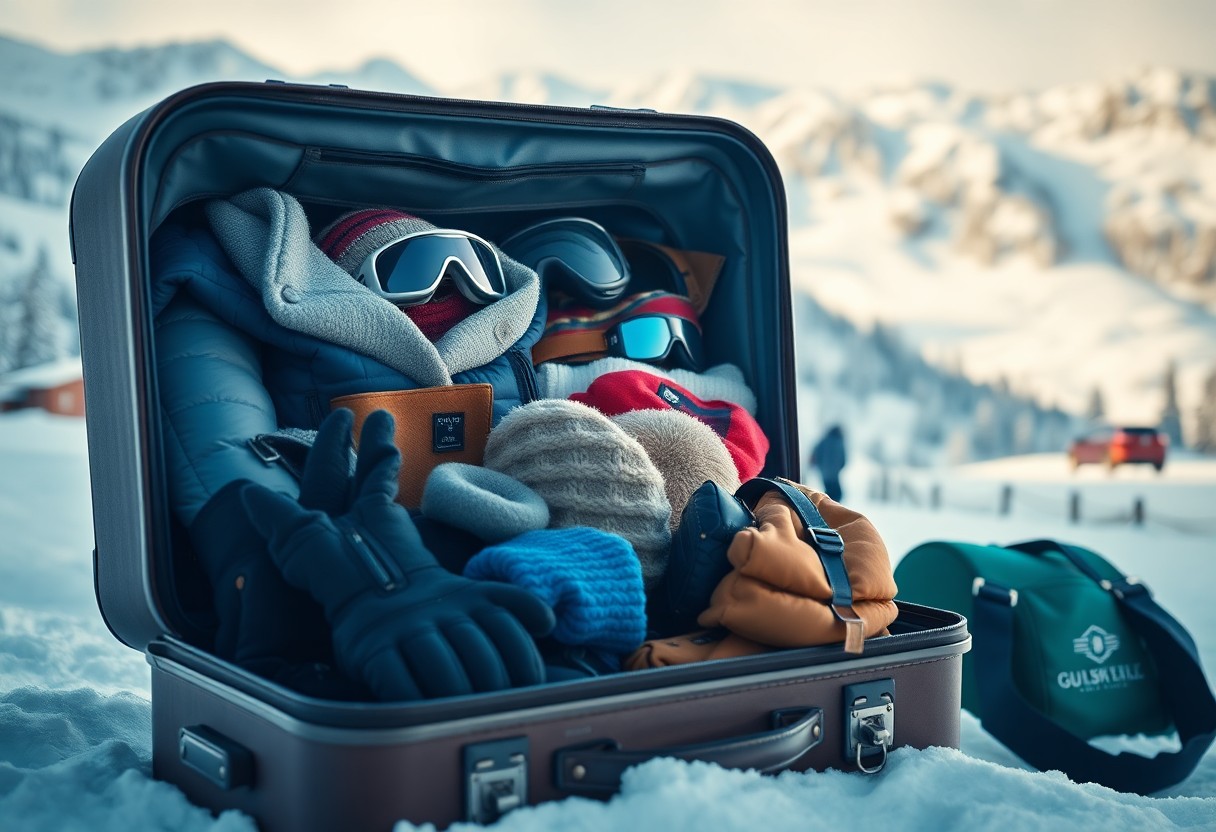
Just like any adventure, a well-planned family ski trip begins with smart packing. You want to ensure that you have everything your family needs to enjoy the slopes while staying warm and comfortable. With the right luggage imperatives and a few helpful tips, you can make your packing process efficient and worry-free. In this guide, you’ll discover key items to include, packing strategies, and advice tailored specifically for families heading to the mountains.

Planning Your Trip
The planning phase is vital for ensuring everyone enjoys the family ski trip. This involves careful consideration of your destination, timing, and logistics.
Choosing the Right Destination
Choosing the right destination can make all the difference in your ski experience. Look for resorts that cater to families, with amenities such as ski schools, childcare options, and beginner-friendly slopes. Areas with varied terrain are also a plus, ensuring everyone in your family finds suitable trails to enjoy.
Selecting the Best Time to Ski
At the start of your planning process, selecting the best time to ski is crucial for avoiding crowds and enjoying optimal conditions. Consider the peak ski season versus off-peak periods to find a balance between ski quality and affordability.
And don’t forget about weather conditions! Early season can offer fresh powder, while spring skiing often means warmer temperatures and longer days. Weekdays tend to be less crowded than weekends, making them ideal for a more relaxed family experience. Balance your family’s schedule with your ski preferences to find the perfect time.
Understanding Ski Passes and Rentals
Above all, understanding ski passes and rentals will help you manage costs and logistics. Research the various options available at your chosen resort, as some require advance purchase while others can be bought on-site. Keep in mind that lift tickets often come at a discount for families and multi-day purchases.
In addition, most ski resorts offer equipment rental services, ensuring you won’t have to lug all your gear from home. Check what items are included in the rental package to make informed decisions that suit your family’s needs. Some resorts also allow you to reserve equipment online before your arrival, which can save valuable time during your trip.
Essential Ski Gear
Some of the most important items you’ll need for your family’s ski trip revolve around your skiing or snowboarding activities. The right gear will enhance the experience and ensure everyone’s safety and comfort on the slopes. For an organized packing experience, refer to The only ski trip packing checklist you need.
Ski Equipment (Skis, Poles, and Bindings)
Beside your clothing and accessories, having the right ski equipment is vital. Ensure that each family member has skis that are suitable for their skill level, along with poles and bindings that fit properly. Properly fitting equipment not only improves performance but also enhances safety on the slopes.
Snowboard Equipment
Around your family’s snowboarding experience, it is important to pack the right snowboard equipment. This includes a snowboard that matches the rider’s weight and height, along with bindings designed to keep the feet secure during rides. Each boarder should also adjust their setup according to their skill level and riding style.
Indeed, investing in the right snowboard—considering flex, height, and design—can greatly influence your experience on the mountain. Make sure to carry tools for adjusting bindings if needed while on the slopes. If your family members frequently snowboard, it may also be beneficial to explore renting equipment to save space in your luggage.
Helmets and Goggles
Helmets provide necessary protection, while goggles enhance visibility and prevent snow and wind from disrupting your performance. Prioritize finding gear that fits well, is comfortable, and meets safety standards for your family.
For instance, when selecting helmets, look for one with adjustable ventilation and a snug fit. Goggles should have a good anti-fog feature and offer UV protection, which is important for maintaining clear vision in bright, reflective conditions. These accessories not only preserve safety but also enhance your enjoyment on the slopes.
Ski Boots
Below your performance hinges on having well-fitted ski boots. A proper fit will ensure that you maintain control of your skis while providing warmth and comfort throughout your day on the mountain.
A good pair of ski boots can make a significant difference in your skiing experience. Ensure they are properly sized, as both overly tight and excessively loose boots can hinder your performance and lead to fatigue. Look for features that suit your style, such as flexible cuffs for comfort or stiffer designs for better response. Proper socks can also enhance fit and warmth, so consider bringing specific ski socks for the trip.
Clothing Essentials
Unlike a summer getaway, packing for a family ski trip requires you to consider the layering approach to keep everyone warm and comfortable on the slopes. Selecting the right clothing crucials will enhance your experience, allowing you to fully enjoy the snow without the discomfort of cold or wet attire.
Base Layers for Warmth
Clothing is your first line of defense against the cold. Start with moisture-wicking base layers that fit snugly against your skin. These layers help manage sweat and retain heat, ensuring that your family stays warm during long hours on the snow. Opt for thermal tops and bottoms made from materials like merino wool or synthetic fabrics for the best results.
Insulating Layers for Comfort
Against the biting cold, insulating layers provide the necessary warmth. These layers are designed to trap body heat while allowing moisture to escape. Fleece jackets or down vests are excellent choices, adding a cozy element without bulk.
Plus, insulating layers increase your overall comfort by adapting to various conditions throughout your skiing day. You can easily add or remove these layers based on your level of activity and temperature fluctuations, ensuring that you remain comfortable no matter how long you’re out on the slopes.
Outer Layers for Protection
Layers that serve as your outer protection are vital for shielding you from wind, snow, and moisture. A waterproof and breathable ski jacket paired with snow pants will protect your family from the elements, keeping you dry and comfortable while skiing.
Layers like these not only provide a barrier against the elements but also enhance your overall skiing experience. Look for features such as sealed seams, adjustable cuffs, and ventilation zippers to maximize comfort. Investing in quality outer layers ensures you’ll have reliable protection for future ski trips as well.
Accessories (Hats, Gloves, and Scarves)
An often-overlooked aspect of ski clothing is accessories. Hats, gloves, and scarves are crucial for keeping extremities warm and protected from the cold. Choose insulated gloves that provide the proper dexterity for managing ski gear.
Considering you’ll spend extended hours in cold environments, opt for accessories made from warm, moisture-wicking materials. Hats should cover your ears, and scarves or neck gaiters can be adjusted to offer extra warmth as needed. These items round out your skiing outfit and can make a significant difference in comfort on the slopes.

Packing Strategies
All family ski trips require meticulous planning to ensure a smooth experience on the slopes. By implementing effective packing strategies, you can save time and avoid frustration when getting ready for your adventure.
Choosing the Right Luggage
Below, consider the size and type of luggage that suits your family’s needs. A combination of hard-shell suitcases for clothing and soft bags for ski gear provides the flexibility and protection necessary for your trip. Opt for luggage with wheels to make transportation easier, especially when navigating snow-covered parking lots.
Organizing Your Gear and Clothes
Any efficient packing routine should include an organized system for your gear and clothes. Start by categorizing items by type, such as ski clothes, casual outfits, and accessories. This way, you can locate exactly what you need without rummaging through your entire suitcase.
Choosing an organization method, such as laying out each family member’s items together, can save you time when unpacking and packing again. Additionally, assigning specific bags for shared items like goggles and gloves can keep everyone on the same page and prevent misplacement.
Using Packing Cubes and Compression Bags
The addition of packing cubes and compression bags can significantly enhance your luggage organization. Packing cubes allow you to separate clothing, while compression bags minimize bulk, making room for more important items in your luggage.
For instance, you might use packing cubes for grouping similar clothes, such as ski socks, base layers, and evening outfits. Compression bags can be perfect for bulky items like winter jackets, maximizing your packing efficiency and ensuring you have enough space for those post-skiing warm layers.
Don’t Forget the Snacks and Hydration
Right before heading out, consider packing snacks and hydration options for your family. Skiing is an energy-intensive activity, and having easy access to snacks can help keep spirits high on the slopes.
Using portable snack bags filled with granola bars, nuts, or dried fruit ensures everyone stays fueled throughout the day. Alongside snacks, don’t underestimate the importance of hydration—pack reusable water bottles for easy refills at your lodge or when transitioning between the slopes and the lodge.
Travel Tips
Keep your family ski trip enjoyable by planning ahead and staying organized. Here are some necessary travel tips to help make your journey smoother:
- Check the weather forecast for your destination.
- Arrive safe by ensuring your vehicle is in good condition (if driving).
- Pack snacks and entertainment for kids to keep them engaged.
- Allow extra time for rest stops, especially with children on board.
The smooth travel experience can enhance your family’s trip enjoyment.
Car Travel Tips for Families
Between snacks, games, and breaks, successful car trips with kids require some preparation. Ensure your vehicle is well-equipped with a first aid kit, blankets, and plenty of entertainment options. You might also want to bring a cooler filled with drinks and healthy snacks to avoid unnecessary stops. Keeping a good playlist or audiobooks can help keep the atmosphere lively throughout the ride!
- Take regular breaks to stretch and unwind.
- Pack an emergency bag with necessarys like wipes and a change of clothes.
- Download family-friendly apps or games for entertainment.
- Pre-load a few movies for the ultimate road trip experience.
Recognizing that kids need breaks will make the journey more enjoyable for everyone.
Flying with Ski Equipment
At the airport, you’ll want to ensure your ski gear is properly packed and the airline’s policies are followed. Some airlines offer special rates for sports equipment, so you can save money if you’re prepared. Don’t forget to check for weight restrictions to avoid additional fees upon check-in!
To make flying with ski equipment easier, invest in padded ski bags for protection, and taping your bindings can prevent them from being damaged. Be conscientious about labeling your bags, as lost luggage can happen, and a large number of skiers can create confusion at luggage claims. Arriving early at the airport can also help you get through security without a rush.
Arranging Transportation at Your Destination
The right transportation arrangements can greatly simplify your family ski trip. Consider your group size and book accommodations that offer shuttle services to the slopes. Alternatively, research local transportation options, including bus routes and car rentals, which will help you get around efficiently.
Your plan should include contingency for changes, such as late arrivals or unexpected conditions. Pre-booking a rental vehicle or shuttle service can save you time and stress. Take advantage of local apps that can help with navigation, and always have a few options for each day so you can adjust as needed.
Preparing for Weather Changes
Weather conditions can change rapidly in the mountains, making it vital to be prepared. Forecasts may not always be reliable, so pack layers that you can easily add or remove. Having the appropriate gear will keep everyone comfortable and safe while enjoying your ski trip.
Flying into a ski destination often means adjusting to different weather from your departure location. Keep your family’s needs in mind while packing, and ensure that everyone has waterproof, insulated clothing. Make sure to check the resort’s updates for snow conditions to better plan your skiing days and activities.
Safety and Health Considerations
Despite the thrill of skiing, safety and health should remain at the forefront of your family ski trip planning. Proper precautions can enhance your experience and ensure everyone has a fun and stress-free time on the slopes.
First Aid Kit Essentials
Safety on the slopes includes being prepared for minor accidents. Pack a well-stocked first aid kit with vitals like adhesive bandages, antiseptic wipes, pain relievers, and any personal medications. Don’t forget to include a thermometer and a set of detailed instructions on treating common ski-related injuries.
Sun Protection on the Mountains
Before you hit the trails, you must prioritize sun protection. The sun’s rays are amplified at higher altitudes, which increases your risk for sunburn, even on cloudy days.
Due to the reflective nature of snow, UV exposure can be significantly heightened while skiing. Ensure you have a high-SPF sunscreen for all exposed skin and lip balm with sunblock. Wearing UV-protective goggles will also shield your eyes from both the sun’s rays and the glare from the snow, helping you enjoy your time outdoors with peace of mind.
Staying Hydrated and Nourished
Any outdoor activity, especially in cold weather, can lead to dehydration. It’s vital to keep your family well-hydrated and nourished throughout the day to maintain energy levels.
And don’t skimp on snacks! Keep a variety of healthy, energy-boosting snacks handy, such as trail mix, energy bars, and fruit. Regular hydration and nutrition not only enhance your enjoyment on the slopes but also aid your body in recovering from exertion, ensuring a smoother and more fulfilling ski experience.
Managing Altitude Sickness
Protection against altitude sickness starts with awareness and preparation. Many travelers may experience mild symptoms as they ascend to higher elevations, making it important to recognize and address these issues promptly.
This can include headaches, nausea, and dizziness. If you or your family members start to feel unwell, descend to a lower altitude, stay hydrated, and rest as needed. Gradually acclimating to higher elevations by taking it slow during your initial days on the slopes can make a significant difference in how well you handle altitude changes.
Summing up
With this in mind, planning your family’s ski trip involves careful packing to ensure you have everything necessary for a smooth experience. Focus on crucial gear, clothing layers, and personal items tailored to your family’s needs. Utilizing a comprehensive guide can make your preparation easier. For a detailed overview, check out The Ultimate Ski Trip Packing List. This resource will help you pack with confidence, allowing you to enjoy your trip to the fullest.