With the rapid advancements in technology, you are on the brink of experiencing a revolution in air travel. Innovations such as electric aircraft, autonomous flight systems, and advanced air traffic management are set to transform the way you fly, making it more efficient and environmentally friendly. This post will explore the exciting developments that promise to reshape your journey through the skies, enhancing comfort, safety, and sustainability in the years to come.
The Evolution of Air Travel
Before submerging into the future of air travel, it’s important to understand its evolution over the years. Air travel has transformed from its rudimentary beginnings into a sophisticated industry that connects the globe. As you explore the milestones that have shaped this journey, you’ll gain insight into the innovations that continue to pave the way for a seamless travel experience.
Historical Milestones
With the Wright brothers’ first flight in 1903, air travel officially took flight, marking the beginning of humankind’s ambition to conquer the skies. Over the years, several key advancements, including the commercial flights in the 1920s, have significantly shaped your travel experiences today.
The Transition to Jet Age
Beside the evolution of aviation technology, the arrival of the jet age in the 1950s revolutionized travel, allowing faster and more efficient long-distance flights. This transition was pivotal for airlines and passengers, drastically changing your perspectives on time and distance when traversing international borders.
Also, the introduction of jet engines significantly reduced travel times, making long-haul flights more accessible than ever. Aircraft like the Boeing 707 transformed commercial air travel into a viable option for millions, as you could now fly across continents in mere hours instead of days. This era marked a shift in not only technology but also passenger expectations, enhancing comfort, speed, and reliability in air travel.
The Impact of Globalization on Air Travel
Transition into the late 20th century, and global connectivity skyrocketed, thanks in large part to economic globalization. More than ever, you could traverse different cultures and countries, as air travel became a fundamental component of international business and tourism.
Considering the impact of globalization, the expansion of flight networks and competition among airlines has made air travel more affordable. Budget carriers emerged, allowing you to travel to new destinations that may have once seemed out of reach. This surge not only fostered increased cultural exchange but also prompted a demand for more innovative and eco-friendly travel solutions that address your growing concerns for sustainability in the aviation industry.

Technological Innovations
There’s a wave of technological innovations transforming air travel, creating exciting possibilities for the future. The aviation industry is embracing Emerging Technologies | NBAA, driving developments that increase safety while reducing environmental impact.
Next-Generation Aircraft Design
At the forefront of innovation is next-generation aircraft design, focusing on enhanced performance and operational efficiency. These aircraft are utilizing advanced materials and engineering techniques that allow you to experience faster, quieter, and more efficient flights.
Sustainable Aviation Fuel (SAF)
Among the pivotal developments in aviation is Sustainable Aviation Fuel (SAF), which aims to significantly reduce greenhouse gas emissions. These alternatives to traditional jet fuels offer a pathway to a more sustainable future in air travel.
And with SAF, you’ll be pleased to know that it can be produced from various sources, including waste oils, agricultural residues, and even synthetic processes. Using SAF can lead to lifecycle emissions reductions of up to 80%, making it an vital component for airlines looking to meet carbon neutrality targets.
Advanced Aerodynamics and Efficiency
Aviation advancements in aerodynamics are set to redefine flight efficiency. Enhanced designs and technologies improve drag reduction, which leads to reduced fuel consumption and lower operating costs for airline operators, ultimately benefiting your travel experience.
- Streamlined fuselage shapes for reduced drag
- Wing designs that optimize lift-to-drag ratios
- Active aerodynamics that adapt during flight
- Innovative surface materials that decrease friction
| Aspect | Details |
|---|---|
| Fuel Efficiency | Improved aircraft designs can lead to up to a 20% reduction in fuel burn. |
| Environmental Impact | Advanced aerodynamics contribute to sustainable flight operations through reduced emissions. |
Plus, efforts in aerodynamics are not just about efficiency; they also enhance your comfort and safety in the skies. Increased stability and control during changes in flight conditions ensure a smoother journey.
- Advanced flight control systems for improved handling
- Research into supersonic flight reduces noise pollution
- Integration of digital flight management systems for real-time data
- Use of computational fluid dynamics for better designs
| Enhancement | Benefit |
|---|---|
| Increased Stability | Helps maintain trajectory during turbulence, enhancing passenger comfort. |
| Reduced Noise | Improves the experience for both passengers and impacted communities around airports. |
Air Traffic Management Advances
Keep an eye on the horizon as air traffic management undergoes significant innovations, paving the way for a safer, more efficient aviation future. These advancements will not only enhance your flying experience but also optimize airspace utilization.
NextGen Air Traffic Systems
With the implementation of NextGen air traffic systems, expect a comprehensive upgrade to the aviation infrastructure that relies on satellite-based navigation and advanced data sharing, improving the overall efficiency of air travel.
Integration of Artificial Intelligence
To further advance air traffic management, the integration of artificial intelligence (AI) is revolutionizing operations, enabling real-time decision-making and predictions that enhance safety and efficiency in your air travel experience.
But AI goes beyond just automation; it continuously learns from vast amounts of data, allowing for optimized flight routes, reduced delays, and proactive management of potential hazards. As a result, you can enjoy smoother flights and enhanced safety, knowing that advanced technology is working behind the scenes to make your journey seamless.
Remote Air Traffic Control
Above all, remote air traffic control is setting a precedent for the future of aviation. By employing technology that allows air traffic controllers to manage operations from distant locations, the industry gains flexibility and improves safety standards in your travel experience.
Artificial intelligence is not only transforming management practices but also redefining how air traffic control is conducted. With remote facilities, controllers can efficiently monitor and manage multiple airports, ultimately enhancing the responsiveness to emergencies and adapting to various operational needs in real-time. This innovative approach ensures that you fly with heightened confidence in the system guiding your flight.
Passenger Experience Enhancements
Once again, the future is bright for air travel as innovations are set to transform your experience in the skies. With advancements around every corner, airlines and airports are committed to improving every aspect of your journey. Discover some of these remarkable changes and stay informed about Innovations in Flight.
Smart Airports and Contactless Travel
Passenger flow will soon be streamlined with smart airports and contactless travel technologies. You will enjoy seamless check-in and boarding processes thanks to biometric systems, mobile apps, and automated kiosks, making your travel experience quicker and more efficient.
In-flight Entertainment and Connectivity
By enhancing your in-flight entertainment and connectivity options, airlines are making long journeys more enjoyable. Expect access to high-definition streaming services, live television, and robust Wi-Fi, allowing you to stay connected during your flight.
Indeed, with the rise of advanced technologies, the skies will become your personal entertainment hub. Airlines are investing in upgraded in-flight systems that provide an array of options, including personalized content recommendations, interactive gaming, and even virtual reality experiences, ensuring that boredom is a thing of the past.
Cabin Innovations and Comfort
By focusing on cabin innovations and comfort, airlines are transforming your flying experience. You will find ergonomic seating designs, enhanced air quality, and customizable lighting, all aimed at improving your well-being during travel.
Airports are rethinking cabin layouts and features to provide you with a space that feels more like a sanctuary. Expect to see wider seats, adjustable headrests, and improved noise-cancellation technologies. The goal is to create an atmosphere that promotes relaxation and enhances your overall journey, helping you arrive at your destination refreshed and ready to go.
Safety and Security Developments
Not only are airlines focusing on enhancing passenger experience, but they are also making significant strides in safety and security developments. As technology evolves, so do the methods employed to ensure that travelers can fly with peace of mind.
Biometric Screening Technologies
Below are innovative biometric screening technologies that are streamlining the security process at airports. These systems utilize facial recognition, fingerprint scanning, and iris recognition to verify your identity quickly and accurately, reducing wait times and enhancing overall security.
Enhanced Cybersecurity Measures
By investing in enhanced cybersecurity measures, airlines and airports are striving to protect sensitive passenger information. With the increasing reliance on digital systems, cybersecurity has become paramount in preventing unauthorized access and ensuring data integrity.
In addition to implementing robust encryption protocols, airlines are adopting AI-driven surveillance systems to detect threats in real-time. Regular cybersecurity audits and employee training programs further elevate the standard of safety, ensuring that both you and your data remain secure throughout your travel experience.
Solutions for Pandemic Preparedness
At the forefront of aviation’s evolution are solutions for pandemic preparedness, designed to keep you and your fellow travelers safe. Airlines are implementing advanced air filtration systems and touchless technology to minimize the risks associated with infectious diseases, creating a healthier environment on board.
Consequently, these measures are not merely reactive but also proactive, as airlines commit to rigorous cleaning protocols and real-time health assessments. Enhanced communication and transparency about health safety protocols can help reassure you that your well-being is a top priority while traveling in a post-pandemic world.
The Role of Drones and Unmanned Aerial Vehicles
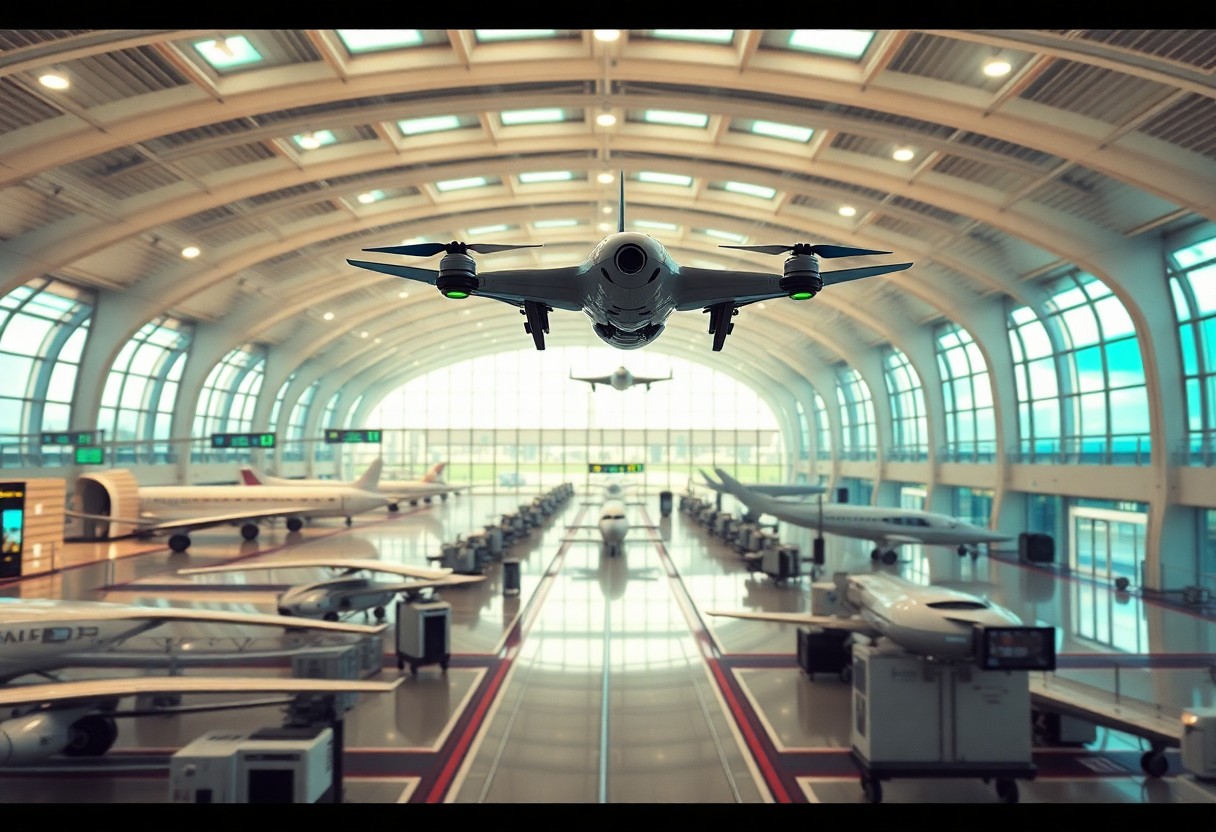
Now, as technology evolves, drones and unmanned aerial vehicles (UAVs) are set to reshape the air travel landscape. These innovations not only promise efficiency and convenience but also pave the way for new operational models, transforming how goods and services are delivered across the globe.
Commercial Applications in Cargo and Delivery
By leveraging drone technology, companies can revolutionize cargo and delivery systems. Whether it’s delivering medical supplies to remote locations or ensuring your online orders arrive promptly, drones offer speed and accessibility that traditional transport methods struggle to match.
Passenger Drones: The Future of Short-Haul Travel
Aerial transport is on the brink of transformation with the introduction of passenger drones, designed to facilitate short-haul travel. These vehicles aim to reduce travel time significantly, providing you with an alternative to conventional methods like cars and buses for your daily commutes.
Short-haul passenger drones could redefine your travel experience by drastically shortening the time spent in transit, making it a viable option for urban commuting. Their ability to take off and land vertically allows them to bypass congested roads, presenting an exciting new chapter in urban air mobility. As technology advances, you may soon be able to hail a passenger drone just like you would a taxi, enabling a seamless and efficient travel experience that aligns with your fast-paced lifestyle.
Regulatory and Safety Challenges
Unmanned aerial vehicles face significant regulatory and safety challenges. As these technologies become more prevalent, ensuring the safety of both passengers and the general public remains a top priority for regulators, who work to create guidelines that balance innovation with safety.
This intricate web of regulations will encompass everything from air traffic management systems to pilot training and maintenance standards. As you explore the potential of passenger drones and UAVs, be aware that overcoming these regulatory hurdles is vital for integrating them safely into your daily life. The development of robust safety protocols will ensure that as the air travel landscape evolves, your safety and that of others remains a foremost concern.
Summing up
The future of air travel promises to reshape your flying experience through groundbreaking innovations. Emerging technologies, such as electric propulsion, enhanced aerodynamics, and advanced safety systems, are set to make your journeys more efficient and environmentally friendly. As airlines invest in these advancements, you can expect faster boarding processes, improved comfort, and reduced carbon footprints. Embracing these changes will not only enhance your travel experience but also contribute to a more sustainable aviation industry. Get ready for a new chapter in air travel that prioritizes both innovation and your comfort.