There’s a complex web of responsibilities surrounding airline maintenance and safety that directly impacts your flying experience. As a passenger, you might not often think about the rigorous processes involved in keeping aircraft safe and operational. From adhering to strict regulations to managing unforeseen technical issues, the challenges faced by maintenance teams are vast. In this post, you will learn about the multifaceted challenges that airlines encounter in ensuring safe air travel and what that means for you as a traveler.
The Importance of Airline Maintenance
The significance of airline maintenance goes beyond keeping aircraft in operation; it is a fundamental aspect of ensuring passenger safety and operational efficiency. Regular maintenance checks and stringent protocols are mandated to uphold the safety standards expected by regulatory bodies and passengers alike.
Regulatory Framework
Airline maintenance is governed by a comprehensive regulatory framework established by authorities such as the Federal Aviation Administration (FAA) and the European Union Aviation Safety Agency (EASA). These regulations set strict standards for maintenance practices, including mandatory inspections and reporting requirements to ensure that all aircraft remain compliant and safe for flight.
Best Practices in Maintenance
For seamless operations, adhering to best practices in airline maintenance is crucial. Implementing a proactive maintenance strategy not only enhances safety but also optimizes aircraft performance and longevity.
Best practices include adhering to a robust schedule for preventive maintenance, utilizing advanced diagnostic tools, and implementing staff training programs. Ensuring that your maintenance team is well-qualified and up-to-date with the latest technologies can significantly enhance operational efficiency, reduce downtime, and ultimately ensure a safer flying experience for your passengers.
The Role of Maintenance in Safety
Below the surface of everyday airline operations, maintenance plays a pivotal role in upholding safety standards. Regular inspections and thorough maintenance checks identify potential issues before they escalate, preventing malfunctions during flights.
A consistent focus on maintenance not only mitigates risks associated with wear and tear but also helps to establish a culture of safety within your organization. By prioritizing maintenance practices, you bolster not only the reliability of your fleet but also the confidence of your passengers, making it clear that their safety is your top priority.
Common Challenges in Airline Maintenance
While the aviation industry strives to maintain high safety and maintenance standards, various challenges arise that can impact operations. To gain deeper insights, check out What Are the Most Common Challenges in Aviation …. Understanding these common challenges is vital for improving maintenance processes and ensuring safety in the skies.
Workforce Shortages
Below, you will find that many airlines face significant workforce shortages, which can hinder effective maintenance practices. The demand for skilled technicians is often greater than the available supply, leading to potential delays and oversight in aircraft servicing.
Aging Aircraft Fleet
Along with workforce shortages, an aging aircraft fleet presents unique challenges. As aircraft get older, they may require more frequent maintenance checks and repairs, putting additional pressure on your maintenance team and resources.
Airline operators must be proactive in managing an aging fleet by implementing regular inspections and utilizing modern technologies to keep older aircraft safe and efficient. Balancing the operational demands of an older fleet with maintenance needs requires careful planning and skilled personnel to minimize downtime.
Supply Chain Issues
Between the various components and parts necessary for aircraft maintenance, supply chain issues can create significant hurdles. Delays in obtaining vital parts can lead to aircraft being grounded longer than expected, impacting schedules and safety.
Maintenance teams often face challenges based on vendor reliability and fluctuating availability of parts. Effective communication with suppliers and building relationships within the industry can help mitigate these issues, ensuring that your maintenance operations remain as efficient as possible. Addressing supply chain challenges should be a key focus for any airline hoping to maintain safety standards and operational efficiency.
Technological Innovations in Maintenance
For airline operators, embracing technological innovations in maintenance is vital to enhance safety and efficiency. These advancements not only streamline processes but also contribute to a more reliable flying experience for passengers. In particular, they reshape how maintenance teams approach their tasks, ultimately minimizing risk and downtime.
Predictive Maintenance
Below your awareness, predictive maintenance is transforming how airlines manage their fleets. By leveraging advanced sensors and algorithms, airlines can monitor aircraft components in real-time, identifying potential issues before they escalate into costly failures. This proactive approach to maintenance helps ensure that aircraft are always in optimal condition.
Drones and Automation
By integrating drones and automation into maintenance operations, airlines can conduct inspections and repairs with remarkable efficiency. These technologies enable quick evaluations of hard-to-reach areas, reducing the time required for routine checks and enhancing overall safety measures.
Due to the advanced capabilities of drones, you can efficiently examine the exterior of an aircraft, such as wing surfaces or fuselage structures, without disrupting operations. Automated systems can also assist in various ground maintenance tasks, handling repetitive duties that typically consume significant manpower. This not only improves speed but also allows your skilled technicians to focus on intricate maintenance tasks that require human expertise.
Data Analytics in Decision Making
Innovations in data analytics are revolutionizing decision-making processes in airline maintenance. By utilizing vast amounts of operational data, you can assess trends and make informed choices regarding maintenance schedules, resource allocation, and safety protocols.
Hence, the integration of data analytics enables you to identify patterns that inform future maintenance strategies. By analyzing historical performance and failure data, you can optimize maintenance schedules to align with actual aircraft usage and component longevity. This data-driven approach helps you make better decisions, ultimately enhancing the overall safety and efficiency of airline operations.

Safety Management Systems (SMS)
After understanding the complexities of airline maintenance, it’s important to highlight the role of Safety Management Systems (SMS). SMS is a systematic approach that helps you manage safety risks in aviation operations. It encompasses a range of processes and tools that aid in identifying hazards and mitigating their potential impacts. For more detailed insights, you can explore the findings on Maintenance Mistakes and Systems Solutions. This framework encourages a proactive strategy for enhancing safety and efficiency within your organization.
Components of SMS
An effective SMS consists of several components, including safety policy, risk management, safety assurance, and safety promotion. These interconnected elements work synergistically to create a robust safety framework tailored to your airline’s specific operational needs. By integrating these components, your organization lays the groundwork for a safer aviation environment.
Risk Assessment and Mitigation
Safety in aviation requires diligent risk assessment and mitigation strategies. This process involves identifying potential hazards, analyzing the associated risks, and implementing measures to minimize their impact on operations and passenger safety.
To effectively conduct risk assessments, you must evaluate various factors, including likelihood and severity of incidents. The information gathered enables you to implement focused mitigation strategies, which can include enhanced training, revised procedures, or technological upgrades. Regularly reviewing and updating your risk assessment practices ensures your airline remains adaptive to changing environments and technologies.
Safety Culture in Airlines
Before implementing SMS, establishing a strong safety culture is vital. This foundational aspect encourages open communication about safety concerns and promotes a collective responsibility among all staff members regarding safe practices.
This commitment to safety culture fosters an environment where team members feel empowered to speak up about potential hazards without fear of retribution. Cultivating a collaborative atmosphere enhances engagement and leads to continuous improvement in safety practices, directly influencing the overall safety performance of your airline. Recognizing and reinforcing this culture is important for achieving a lasting commitment to operational excellence.
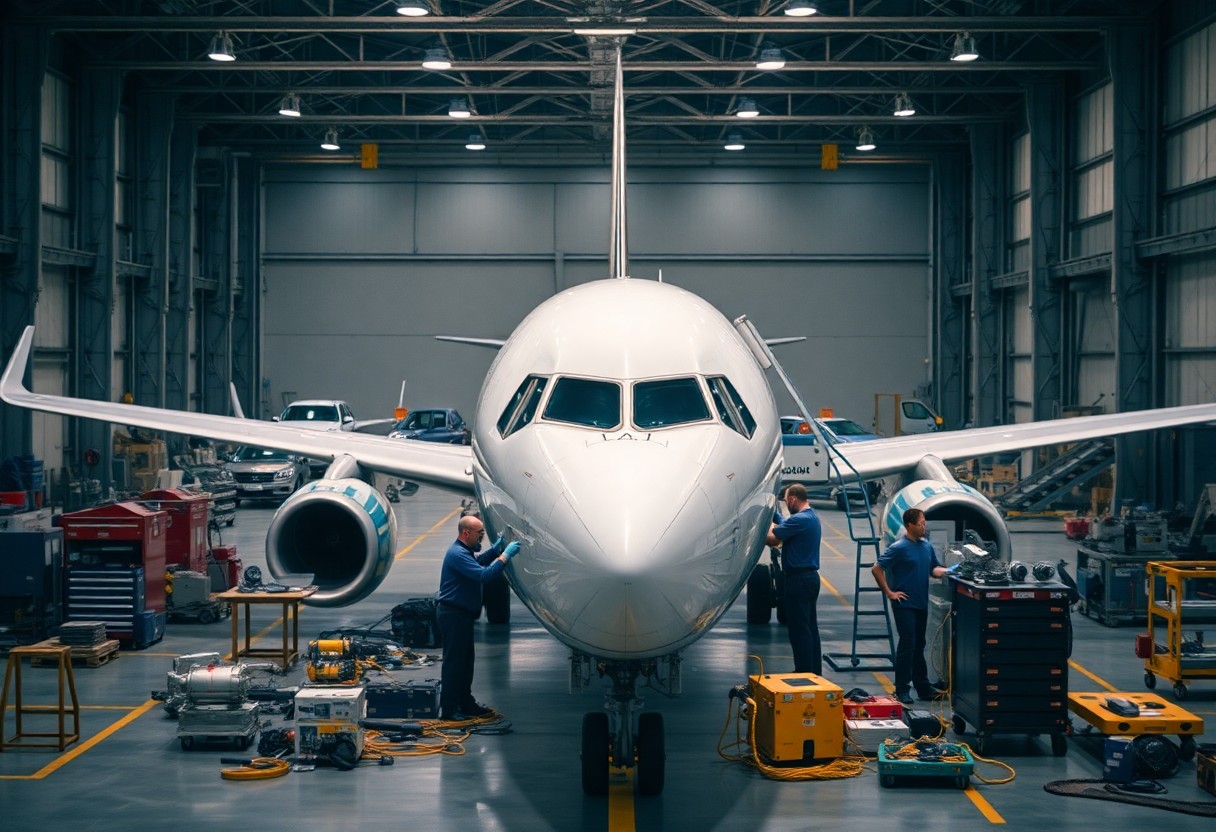
Case Studies of Maintenance Failures
Keep in mind that real-world examples illustrate the serious implications of maintenance failures in the airline industry. Here are several notable case studies highlighting lapses in maintenance and their outcomes:
- United Airlines Flight 553 (1972): A failure in maintaining the aircraft’s autoland system led to the crash, killing 43 people.
- Air China Flight 129 (2002): Inadequate maintenance on the aircraft’s control systems resulted in a tragic accident, claiming 43 lives.
- American Airlines Flight 191 (1979): The failure to properly maintain the aircraft’s engine resulted in a crash shortly after takeoff, killing all 273 passengers aboard.
- Qantas Flight 30 (2008): A failure to detect metal fatigue in a critical engine component led to an emergency landing, but fortunately, there were no casualties.
- Malaysia Airlines Flight 370 (2014): Although the exact cause remains unknown, poor maintenance practices have been speculated to have contributed to the disappearance of the aircraft.
High-Profile Incidents
Against the backdrop of soaring demand for air travel, high-profile maintenance failures reveal the risks involved. Incidents like the American Airlines Flight 191 disaster highlight the dire consequences of neglecting maintenance protocols, prompting scrutiny and calls for improved regulation to ensure passenger safety.
Lessons Learned
To mitigate risks, the airline industry has taken significant steps to analyze past failures. Each incident serves as a reminder of the importance of rigorous maintenance schedules and comprehensive training for maintenance personnel to prevent future tragedies.
Understanding the patterns and causes behind maintenance failures is crucial for developing better strategies and practices. Airlines must adopt proactive measures, including regular audits and updates to maintenance protocols. Training programs should emphasize the value of teamwork and prompt reporting of any irregularities. Your role in advocating for a strong safety culture can contribute greatly to improving overall aviation standards.
Impact on Industry Regulations
Any high-profile incident often triggers regulatory changes in the airline industry. Following several notable crashes, aviation authorities have adopted stricter guidelines to ensure that airlines prioritize maintenance and safety practices at all levels.
And the emphasis on continual improvement has reshaped industry standards. Regulatory bodies like the Federal Aviation Administration (FAA) and the European Union Aviation Safety Agency (EASA) have implemented additional oversight, mandating advanced training for maintenance crews and enhancing reporting requirements. Such measures not only help in compliance but also bolster public trust in air travel as a safe mode of transportation.
Future Trends in Airline Maintenance and Safety
Not only are airlines facing immediate challenges in maintenance and safety, but they are also navigating future trends that will shape the aviation industry. Understanding these trends can help you to anticipate changes and adapt effectively.
The Shift to Sustainability
The move towards sustainability is becoming increasingly important in airline maintenance and safety. You will notice that airlines are investing in eco-friendly technologies and practices, striving to reduce their carbon footprint and promote environmental stewardship. This shift reflects a growing commitment to sustainable aviation for the long term.
The Impact of COVID-19 on Maintenance Practices
Sustainability has taken on new meaning in the context of the COVID-19 pandemic. With changing travel patterns and reduced flights, maintenance schedules have been adapted to reflect the current climate while ensuring passenger safety. As an industry professional, staying informed about these adaptations is vital for your role in maintaining operational integrity.
Emerging Technologies in Aviation Safety
Safety continues to evolve with the integration of emerging technologies in aviation. You can expect advancements such as predictive maintenance systems and improved data analytics to enhance safety measures, ensuring a higher level of thoroughness in operations.
But understanding these technological advancements requires you to stay updated with ongoing developments. Innovations like drone inspections and real-time monitoring systems are transforming how maintenance and safety checks are performed, thereby significantly reducing risks and improving efficiency in the long run.
To wrap up
Considering all points, you now have a clearer understanding of the numerous challenges faced in airline maintenance and safety. These complexities require diligent oversight, extensive training, and strict adherence to regulations to ensure passenger safety and operational efficiency. By acknowledging these obstacles, you can better appreciate the importance of continuous improvements in maintenance practices and safety protocols within the airline industry. Your awareness of these issues not only enhances your knowledge but also underscores the collective responsibility of everyone involved in aviation to uphold standards that protect both staff and travelers alike.