There’s a growing shift towards electric and hybrid aircraft that promises to transform air travel in the upcoming years. As environmental concerns escalate and technology advances, you’ll find that these innovative aircraft offer the potential for reduced emissions, noise, and operating costs. This blog post will guide you through the latest developments in electric and hybrid aviation, exploring how this evolution will impact the aviation industry and enhance your flying experience in the future.
Overview of Electric and Hybrid Aircraft
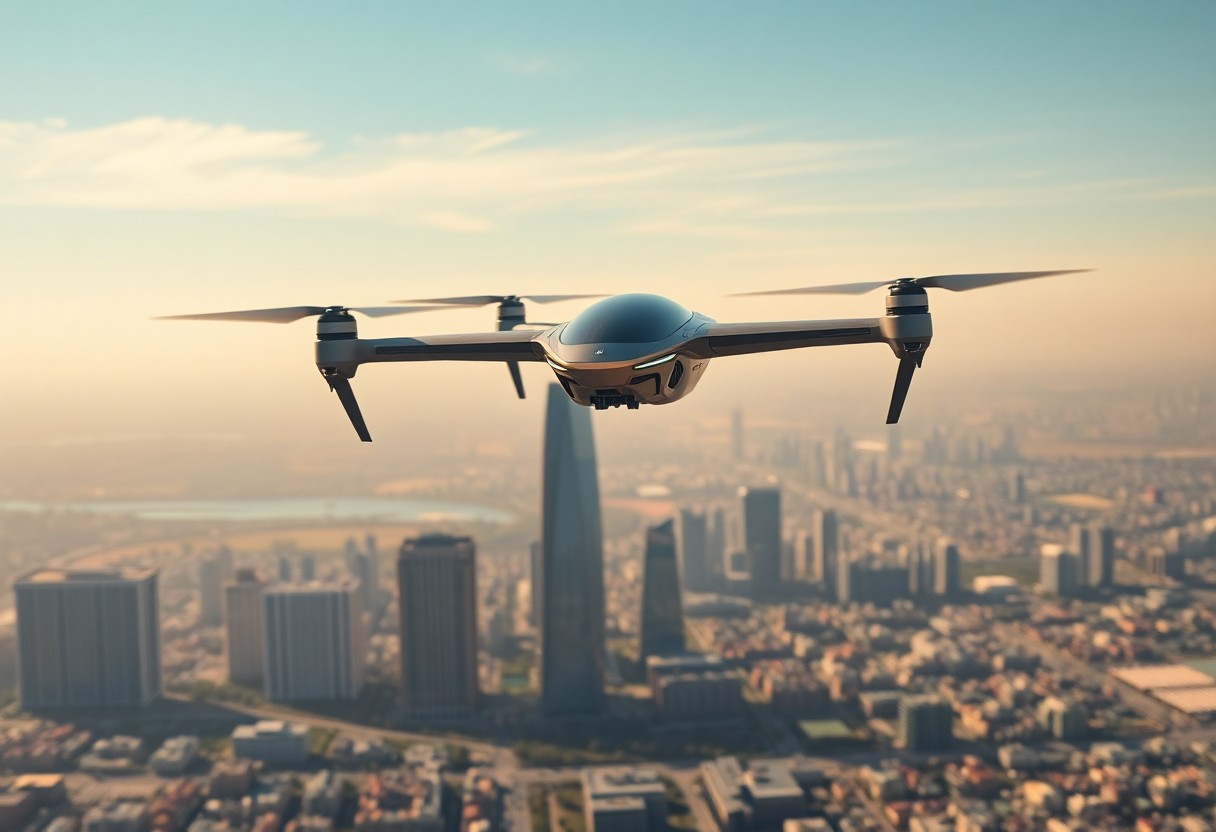
The aviation industry is witnessing a transformative shift towards electric and hybrid aircraft, promising to reshape the future of air travel. These innovative aircraft leverage advanced battery technology and hybrid systems, offering more sustainable options for both commercial and private aviation.
Definition and Types
The definition of electric and hybrid aircraft can be summed up in two primary categories:
- Electric Aircraft: Powered entirely by electric motors and batteries.
- Hybrid Aircraft: Combine traditional combustion engines with electric power sources.
The future of these aircraft involves a commitment to sustainability and efficiency.
| Type | Description |
| Fully Electric | Uses only electric propulsion systems. |
| Hybrid Electric | Integrates electric and conventional engines. |
| Fuel Cell Electric | Utilizes hydrogen fuel cells for propulsion. |
| Battery Electric | Powered by rechargeable battery packs. |
History and Evolution
Any discussion about electric and hybrid aircraft should begin with their historical context. These technologies have been in development for over a century, evolving from early experimental models to significant investments by leading aerospace companies.
With technological advancements and increasing environmental awareness, you have seen a surge of interest in sustainable aviation options. Pioneering companies have tested prototypes, paving the way for commercial applications. Milestones such as the testing of the Boeing Electric Plane and the Airbus E-Fan illustrate the relentless pursuit of innovation in the aviation sector.
Current State of Technology
Around the world, several electric and hybrid aircraft are currently undergoing testing and certification processes. Major manufacturers and startups alike are investing heavily in research and development to improve efficiency and reliability.
Further advancements in battery technology and electric propulsion systems are expected to greatly enhance performance metrics. Companies are pushing for integration with existing infrastructures while meeting regulatory requirements, gradually ushering you into an era of cleaner and quieter air travel solutions.
Key Components of Electric and Hybrid Aircraft
There’s a convergence of technologies that is shaping the future of aviation, particularly through Hybrid and electric flight. In this section, you’ll explore the key components that contribute to the efficiency and performance of electric and hybrid aircraft.
Electric Propulsion Systems
The efficiency of electric propulsion systems allows for reduced fuel consumption and lower emissions. By utilizing electric motors, these systems provide immediate torque and quiet operation, enhancing the flying experience while significantly cutting down on operational costs.
Battery Technologies
After decades of development, battery technologies have made tremendous strides to support the demands of electric and hybrid aircraft. You will find advancements in energy density and weight reduction, enabling longer flight ranges and more efficient energy usage.
Also, the innovation in battery technologies focuses on improving charging speeds and lifespan, which are crucial for the operational viability of electric aircraft. Companies are investing in solid-state batteries and lithium-sulfur batteries as promising alternatives to traditional lithium-ion systems, further pushing the boundaries of what is possible in aviation.
Hybrid Systems and Integration
Before fully adopting electric propulsion, hybrid systems combine traditional fuel engines with electric components to enhance flight performance and operational flexibility. You may find that these systems serve as a transitional step towards fully electric aircraft.
Hybrid systems allow for a seamless integration of power sources, optimizing thrust and fuel efficiency during various flight phases. By leveraging both electric and conventional engines, you can experience reduced emissions while still benefiting from the power and reliability of traditional aviation technology.
Environmental Impact
Unlike traditional aircraft, electric and hybrid models promise significant benefits for the environment, specifically in terms of reducing harmful emissions and noise pollution. As the aviation industry seeks to lessen its ecological footprint, these advancements hold potential for a sustainable future.
Reducing Carbon Emissions
By integrating electric and hybrid technologies into aviation, you can witness a substantial reduction in carbon emissions. These aircraft utilize cleaner energy sources, decreasing dependency on fossil fuels and paving the way for a greener air travel experience.
Noise Pollution Mitigation
An important advantage of electric and hybrid aircraft is their capacity to significantly mitigate noise pollution. With quieter engines and less vibration, these aircraft reduce the auditory impact they have on communities near airports.
Impact studies indicate that as electric and hybrid aircraft technology advances, you will likely experience a notable drop in noise levels during departures and arrivals. This reduction will not only enhance passenger comfort but also improve the quality of life for residents living in proximity to airports, making air travel more harmonious with local environments.
Sustainable Aviation Fuels (SAFs)
SAFs provide a valuable opportunity for you to contribute to a more sustainable aviation sector. These fuels, derived from renewable sources, can significantly lower greenhouse gas emissions when used in conventional aircraft engines.
In addition to their environmental benefits, SAFs are designed to seamlessly blend with existing jet fuel infrastructures. This means that as you embrace these alternative fuels, you can continue to rely on current technologies while gradually moving toward a greener aviation landscape. The adoption of SAFs allows for a smoother transition and new opportunities for stakeholders across the industry to invest in sustainable practices.
Regulatory Framework and Challenges
Once again, the rapid advancement of electric and hybrid aircraft technology presents various regulatory challenges that need to be addressed. As these innovative aircraft become more prevalent, effective regulations will be necessary for ensuring safety, efficiency, and public trust. You must consider a multitude of factors, including existing regulations, safety standards, and the collaboration among industry stakeholders, to navigate the complex landscape of aviation legislation.
Existing Regulations
About the current regulatory landscape, it is necessary to note that existing laws may not be fully equipped to accommodate the unique aspects of electric and hybrid aircraft. You’ll find that agencies like the FAA and EASA are working to establish specific guidelines to govern the development and operation of these aircraft, ensuring that they remain compliant with established aviation protocols. For further insights, you might explore topics such as Hybrid Electric Aircraft: Economically Bridging the Gap to Fully Electric Aviation.
Safety Standards and Certifications
At the forefront of regulatory challenges lie safety standards and certifications. These are necessary for gaining public confidence and ensuring the reliability of new technology. You’ll need to recognize that electric and hybrid aircraft must undergo rigorous testing and certification processes similar to those of conventional aircraft. This guarantees that all safety concerns are addressed before entering service.
Plus, safety standards will likely evolve as the technology continues to develop. Innovative power sources, such as batteries and hybrid propulsion systems, create a new set of risks that need to be thoroughly examined. Your understanding of how these technologies impact aircraft design and operation is imperative for promoting safe practices in aviation.
Industry Stakeholders and Collaboration
On the topic of collaboration, you should be aware that the regulatory framework for electric and hybrid aircraft will rely heavily on cooperation among multiple industry stakeholders. Partnerships between manufacturers, regulatory bodies, and research institutions play a significant role in shaping the future of these aircraft. You’ll find that fostering dialogue between these entities can lead to better-informed regulations and a more streamlined certification process.
Regulations will impact not just the manufacturers but also airlines and airports. By working together, these stakeholders can create a cohesive regulatory environment that supports innovation while ensuring safety and operational efficiency. Engaging in collective problem-solving approaches will be vital for addressing the unique challenges posed by electric and hybrid aviation advancements.
Market Trends and Economic Viability
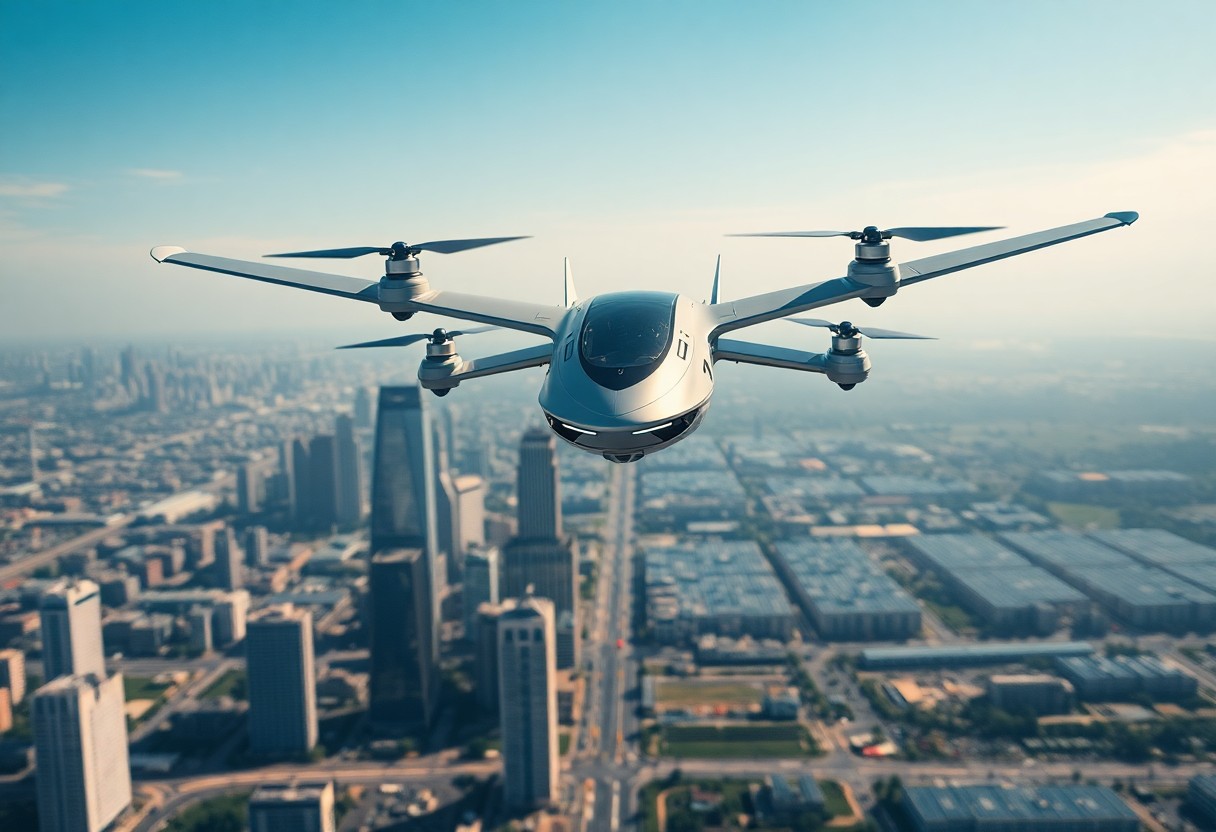
Keep an eye on the evolving trends in the aviation market as electric and hybrid aircraft gain traction. As technological advancements continue to evolve, your investment in this sector becomes increasingly strategic, with manufacturers and airlines adapting to a more environmentally-friendly outlook.
Growth Projections and Market Analysis
The electric and hybrid aircraft market is projected to expand significantly over the next decade. Industry analysts forecast an annual growth rate of over 15%, prompting stakeholders to evaluate the implications of this shift for their operations and investments.
Cost Comparison: Electric vs. Conventional Aircraft
Among the significant differences in aircraft economics is the cost comparison between electric and conventional aircraft. Below is a simplified breakdown of key factors:
| Electric Aircraft | Conventional Aircraft |
|---|---|
| Lower operational costs | Higher fuel expenses |
| High initial investment | Moderate upfront costs |
| Tax incentives available | No specific incentives |
Trends indicate that while electric aircraft may initially require higher capital investments, operating expenses significantly decrease due to lower energy costs and potentially fewer maintenance requirements. This evolution presents you with compelling reasons to consider the long-term financial benefits of electric aviation.
Investment and Funding Opportunities
Viability in the electric and hybrid aircraft sector is reflected in the increasing number of investment and funding opportunities. Government incentives and private investors are increasingly supporting initiatives that demonstrate sustainability and innovation.
Indeed, as the aviation industry shifts toward eco-friendly practices, you will find that various funding avenues such as grants, loans, and partnerships are available. Engaging with these opportunities can bolster your position in the market and align your business with future industry standards.
Innovations and Future Technologies
To envision the future of electric and hybrid aircraft, you must consider the groundbreaking innovations that lie ahead. These advancements not only promise to enhance aircraft efficiency but also aim to transform air travel into a more sustainable experience for everyone involved.
Advances in Energy Storage
One of the most significant areas of advancement pertains to energy storage technologies. Your electric aircraft will benefit from batteries that offer higher energy densities, allowing for longer flight ranges. The development of solid-state batteries and other innovative storage systems can potentially change how aircraft power their journeys.
Potential of Autonomous Flight
Before fully realizing the benefits of electric and hybrid aircraft, you should explore the possibilities of autonomous flight. This technology presents the opportunity for enhanced safety and operational efficiency, allowing aircraft to navigate congested airspace with minimal human intervention.
Understanding the dynamics of autonomous flight can profoundly impact your perspective on aviation. Imagine aircraft equipped with advanced AI algorithms and sensor technologies, capable of making real-time decisions based on environmental conditions and air traffic patterns. This could not only streamline operations but also mitigate the risk of human error, making air travel safer and more efficient for everyone.
Smart Materials and Aerodynamics
On the forefront of innovation is the integration of smart materials and advanced aerodynamics. You will find that the use of lightweight materials will improve energy efficiency by reducing drag while ensuring the durability and safety of the aircraft structure.
Future advancements in smart materials will allow your aircraft to adapt to varying aerodynamic conditions dynamically. These materials can respond to changes in temperature and pressure, optimizing performance throughout the flight. Coupled with innovative wing designs and advanced computational fluid dynamics, aircraft efficiency will reach new heights, offering you a more sustainable aviation experience.
Final Words
Hence, as you look towards the horizon of aviation, the future of electric and hybrid aircraft presents exciting opportunities for transformation in air travel. With continuous advancements in battery technology, regulatory support, and growing environmental concerns, you can anticipate a significant shift in how aircraft are designed and operated. Embracing these innovations will not only enhance your flying experience but also contribute to more sustainable aviation practices. As the industry evolves, staying informed about these developments will empower you to engage in the future of aviation responsibly.